
Air Travel Tips for People with Rhinitis
Planning can make flights more manageable for people with rhinitis. Learn practical steps for packing, in-flight comfort, and post-flight recovery.
In brief
Simple planning and a compact travel kit can reduce discomfort on flights. This guide covers pre-flight checks, in-cabin strategies, and arrival tips.
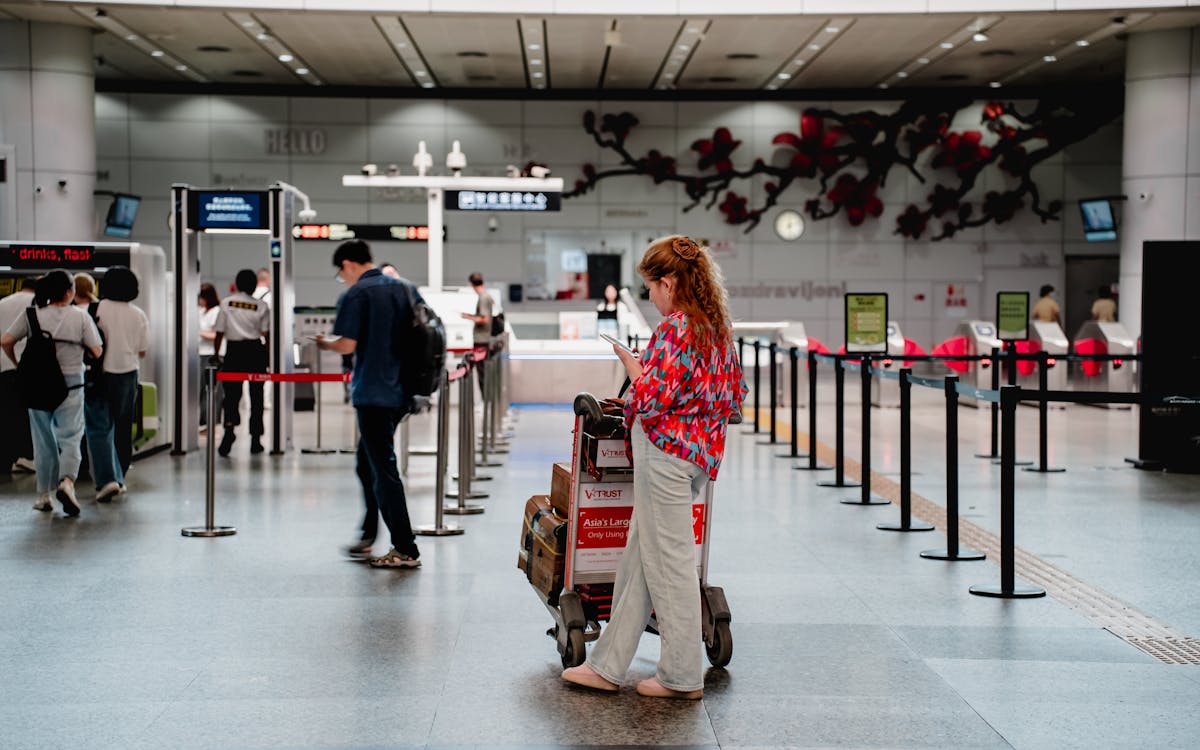
Photo by dongfang xiaowu on Pexels
Planning ahead can reduce surprises when you travel. Before you fly, review airline and security rules and think about which items you want in your carry-on to help manage symptoms while away from home. Consider discussing timing or use of any prescription treatments with your healthcare provider. Packing small duplicates of essentials can be helpful in case of delays or lost luggage.
A compact travel kit might include tissues, a small sealed nasal spray, saline rinse, face masks, and hand wipes, but the contents you choose should reflect your needs and local security restrictions. Keep liquids within permitted limits and store them where you can reach them easily during security checks and on board. Many people find resealable bags and single-use portions convenient for travel.
Dry cabin air and recirculated ventilation can make nasal discomfort more noticeable for some travellers. Sipping water, adjusting the overhead vent away from your face, and taking short breaks from crowded areas may help you feel more comfortable. Choosing a seat that makes it easy to move around or access the restroom can also reduce inconvenience during longer trips.
Airport terminals vary in crowding and ventilation; stepping into less crowded gate areas or outdoor spaces before boarding may reduce exposure to strong smells and airborne irritants. If you anticipate needing assistance or extra time with boarding, contacting the airline in advance can clarify available options—policies differ by carrier and airport. Keeping supplies compact and accessible helps when space is limited.
After you arrive, allow time to rest and recover from travel-related triggers by rehydrating and checking any supplies you used. Noting what seemed to help or worsen symptoms during a trip can inform future planning and conversations with your healthcare provider. Small adjustments across trips often lead to more comfortable travel over time.
Daily articles
Subscribe for daily reads and jump into the latest article now.
Receive RhinitisRank articles by text message and email each day, then head straight to the article library whenever you want a deeper read.

Fresh reading
Educational reads for flare-ups, patterns, and next steps.
Related reading
More articles in this topic cluster
Continue with nearby rhinitis questions, symptom patterns, and follow-up reading.
Managing Rhinitis on Planes: Practical Air Travel Tips
A concise guide to preparing, packing, and making in-flight choices that may help reduce rhinitis triggers and make air travel more comfortable.

Traveling with Rhinitis: Practical Tips for Flights
Air travel presents unique challenges for nasal comfort. This article outlines general, non-prescriptive strategies people with rhinitis often consider when planning and taking flights.

Dating, Social Events, and Living with Rhinitis
Attending gatherings while managing rhinitis involves small practical choices and clear communication. This article offers general, non-prescriptive ideas to help you stay comfortable and engaged in social settings.
Archive
Back to the article hub
Browse more RhinitisRank articles and long-tail education pages.
OpenPractical tools
Move into practical resources
Open tools like the trigger diary, checklists, and visit-prep resources.
OpenQuick assessment
Take the rhinitis quiz
Turn symptoms into a clearer starting point before your next appointment.
Open