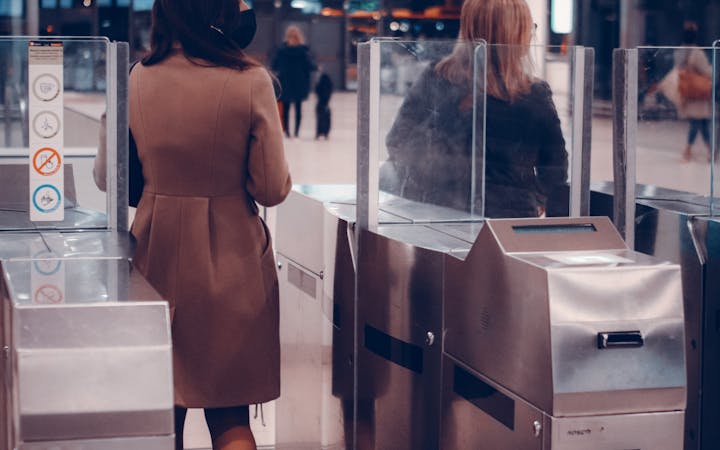


Managing Rhinitis on Planes: Practical Air Travel Tips
A concise guide to preparing, packing, and making in-flight choices that may help reduce rhinitis triggers and make air travel more comfortable.

Read RhinitisRank articles covering symptoms, triggers, treatment conversations, and practical rhinitis education you can use before your next visit.
Quick assessment
Turn vague symptoms into a clearer snapshot before you keep reading.
Get your RhinitisRankPractical tools
Move from reading into checklists, environment guides, and tracking tools.
Browse resourcesProvider discovery
Use the public directory when you are ready to find participating providers.
Find providersFresh reading
Continue into the latest public reads without losing the newer editorial look and feel.

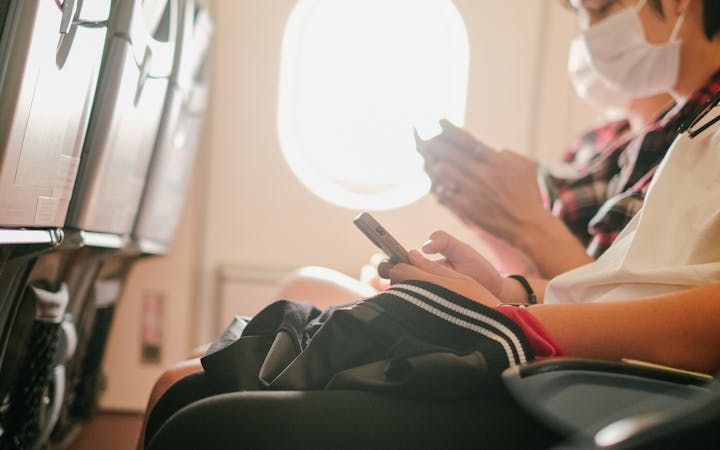
A concise guide to preparing, packing, and making in-flight choices that may help reduce rhinitis triggers and make air travel more comfortable.

Understand the basic functions, limitations, and upkeep of HEPA filters, air purifiers, and humidifiers so you can make informed choices for your indoor air.

Plan what to bring and how to describe symptom patterns before a rhinitis appointment. Small steps can help conversations with providers be clearer and more productive.
Daily articles
Receive RhinitisRank articles by text message and email each day, then head straight to the article library whenever you want a deeper read.

Fresh reading
Educational reads for flare-ups, patterns, and next steps.
Full archive
Browse the full archive for long-tail rhinitis questions and follow-up reading.

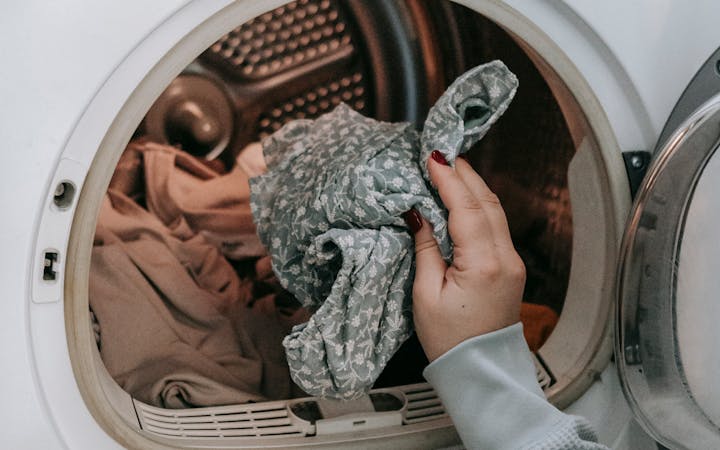
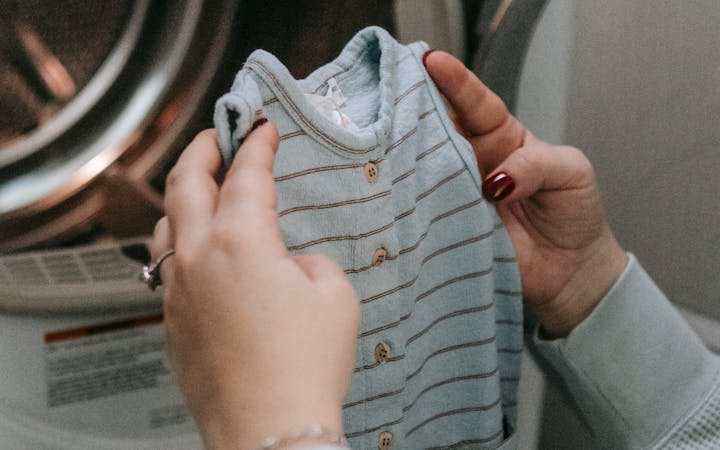
Adjusting how you wash, dry, and store clothes can reduce the chance of carrying irritants that affect rhinitis. This article outlines gentle, everyday habits to consider.

Keeping a short symptom log or using an app can reveal repeating rhinitis patterns. This article outlines what to note and how to use the information.

Simple, general approaches to make exercise more comfortable with rhinitis — from choosing where to work out to gentle warm-ups and post-exercise care.

Small changes to your desk, habits, and communication can make shared offices easier to manage when you have rhinitis. Learn practical, non-prescriptive approaches to try.

Simple planning—choosing times, seating, and menu options—can reduce exposure to common restaurant triggers and make meals out more comfortable.

Put together a compact rhinitis kit for work, travel, or outings. This guide outlines useful items, storage tips, and how to keep the kit ready.

Renovations can bring dust and odors that may worsen rhinitis symptoms for some people. Learn practical, non-prescriptive steps to consider before, during, and after work.

Practical, non-prescriptive guidance on mask fit, materials, hygiene, breaks, and small comfort measures to consider when you have rhinitis.

Simple evening habits and gentle nasal-care steps to consider for managing rhinitis symptoms that show up at night.

Social events can present a mix of triggers and practical choices for people with rhinitis. This article outlines ways to anticipate triggers, reduce exposure, and plan for comfort.

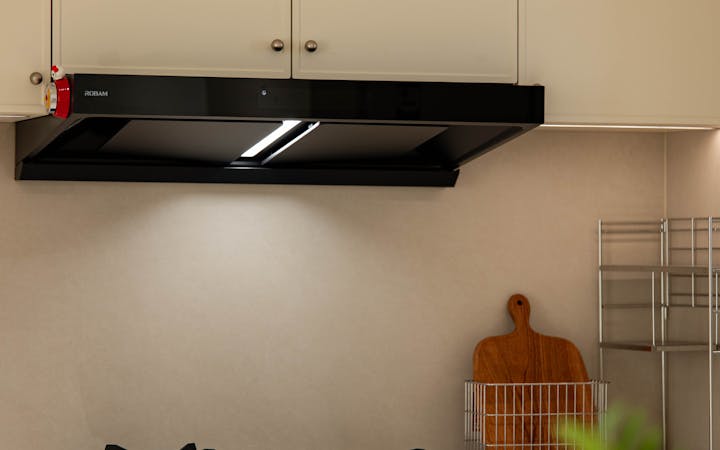
From ventilation and cooking methods to ingredient choices and cleanup, these tips aim to lower common kitchen triggers during meal planning and preparation.

Simple planning and a compact travel kit can reduce discomfort on flights. This guide covers pre-flight checks, in-cabin strategies, and arrival tips.

Stress and strong emotions can affect how rhinitis feels for some people. Learn gentle, non-medical approaches for coping and when to consider professional support.

Small planning steps and awareness of common triggers can help reduce bothersome exposures during commutes. Explore gentle strategies and on-the-go comfort options.

Prepare concise notes, know who to speak with, and set up simple routines so school staff can better respond to a child's rhinitis-related needs.

General tips for choosing environments, warming up, and adapting workouts when rhinitis symptoms are a concern. Practical ideas for safer, more comfortable activity.

Organizing symptoms, medicines, and questions ahead of a rhinitis visit can help you and your clinician use appointment time efficiently. This checklist outlines helpful items to bring and discuss.

Practical, non-prescriptive pointers on using humidifiers, purifiers, and ventilation to manage indoor triggers. Focus on placement, cleanliness, and sensible use.

Prepare for a conversation with a manager or HR about rhinitis triggers and possible workplace adjustments. Find wording ideas, documentation tips, and follow-up steps.

Create a compact rhinitis kit for outings and workdays. This guide lists practical items, storage ideas, and cautious reminders for everyday preparedness.

Renovations can increase rhinitis triggers like dust and paints. This guide outlines planning, dust control, ventilation, and contractor conversations to limit exposure.

Learn easy ways to track rhinitis symptoms, likely triggers, and responses to measures. Useful for noticing patterns and preparing for a health visit.

Whether you’re hosting or a guest, small adjustments can lower exposure to common rhinitis triggers and help social time feel more manageable. Focus on awareness, simple supplies, and clear communication.

Many people with rhinitis notice symptoms change after dark. This article outlines common nighttime triggers and practical, non-prescriptive ideas for bedtime routines that some people find helpful for sleep comfort.

Eating out can expose people with rhinitis to concentrated cooking aromas, cleaning scents, and crowded air. This article outlines general strategies to reduce exposure and make dining experiences more comfortable.

What you wear and how you launder it can affect nasal comfort. This article explains fabric types, laundry products, and simple handling tips that people with rhinitis often consider.

Gardening can be enjoyable even with rhinitis, but outdoor work often stirs particles that affect nasal comfort. This article offers general, non-prescriptive ideas to reduce exposure and make yard time more comfortable.

Commuting can expose people with rhinitis to crowds, odors, and shifting air conditions. This article outlines practical, general strategies to help reduce discomfort during public transit trips.

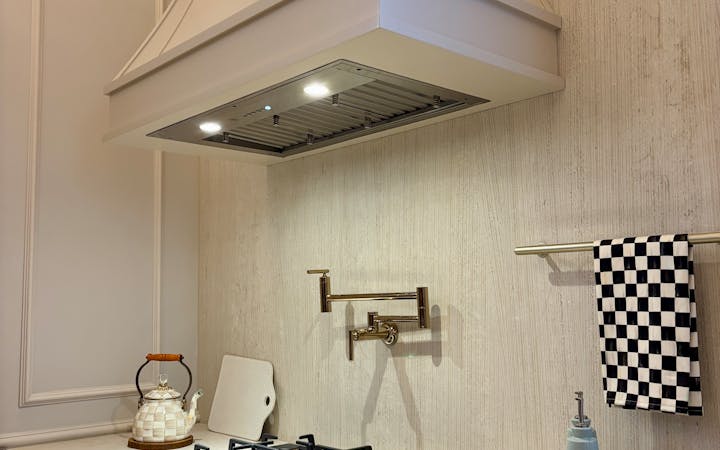
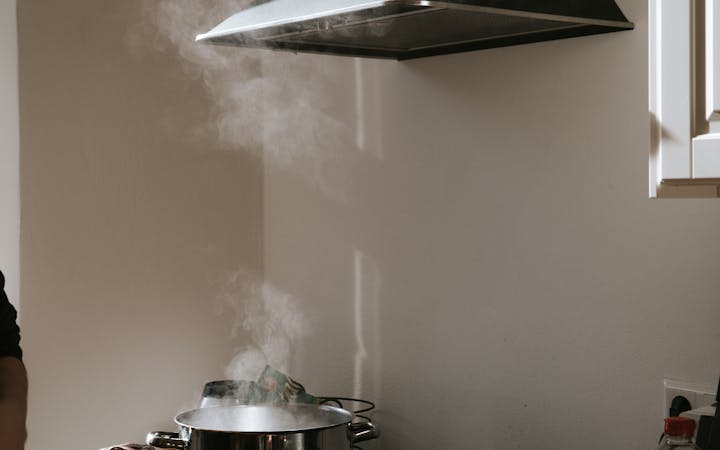
Strong smells, steam, and smoke in the kitchen can affect nasal comfort for people with rhinitis. This article highlights practical, non-medical approaches to reduce triggers while keeping home cooking enjoyable.

Physical activity often interacts with nasal symptoms in different ways. This article outlines common factors that can influence rhinitis during exercise and practical, non-prescriptive approaches people use to make movement more comfortable.

Air travel presents unique challenges for nasal comfort. This article outlines general, non-prescriptive strategies people with rhinitis often consider when planning and taking flights.

Workplaces can present unique rhinitis challenges, from recycled air to fragrances and stress. This article offers practical, non-prescriptive ideas to help people manage nasal comfort and communication while on the job.

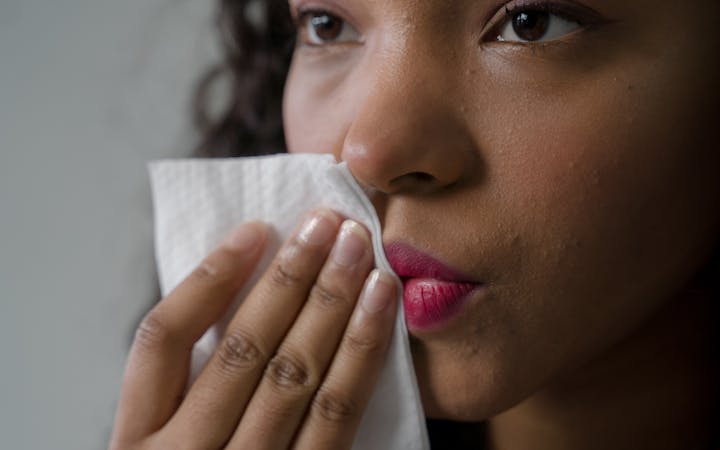
For people who notice nasal irritation related to cosmetics, small product and technique choices can make a difference. This article reviews common triggers, selection strategies, and practical application and removal tips in an educational, non-prescriptive way.

Emotional states and stress can influence how rhinitis feels day to day. This article outlines common patterns and practical, non-prescriptive ways people notice and respond to symptom changes linked to stress.

How nasal symptoms can affect singers, teachers, presenters, and others who rely on their voice — and practical ways to support vocal comfort and performance. This article offers general, non-prescriptive information for planning and daily routines.

Attending gatherings while managing rhinitis involves small practical choices and clear communication. This article offers general, non-prescriptive ideas to help you stay comfortable and engaged in social settings.

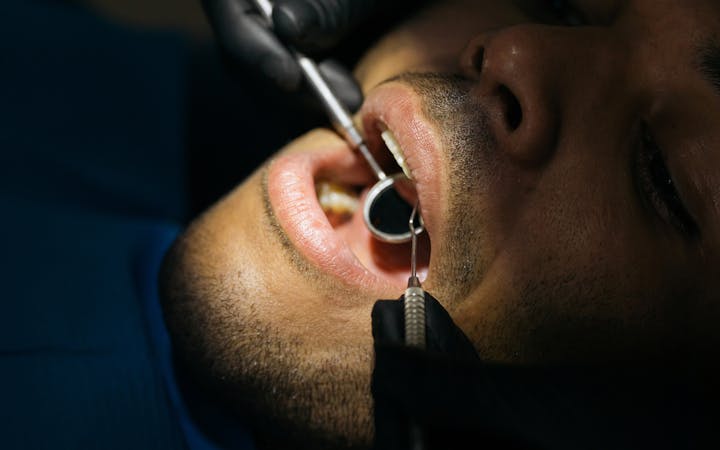
Dental visits can bring together several factors that affect nasal comfort. This article outlines ways to plan and communicate to help reduce potential triggers during oral care appointments.

Many people with rhinitis notice nasal symptoms become more noticeable at night. Practical bedtime routines and simple environment checks can help reduce overnight discomfort for some individuals.

Dining out can bring exposure to strong aromas, steam, and smoke that affect nasal comfort. This article explains common restaurant triggers and offers general, non-prescriptive ideas to help you plan outings with fewer surprises.

Many people with rhinitis notice strong reactions to perfumes, cleaning products, and fragranced personal-care items. This article explains common scent-related triggers and practical, non-prescriptive ways to reduce encounters with bothersome smells.

Extended device use happens in many everyday settings and can interact with indoor air and behaviors that influence nasal comfort. This piece outlines ways screens and screen-related habits may relate to rhinitis experiences.

Wearing a face mask can change how your nose feels during the day. This article outlines common experiences and practical considerations people with rhinitis may notice while using masks.

Physical activity can change how your nose feels and works. This article explains common ways exercise can influence rhinitis and outlines general, non-prescriptive approaches people use to stay comfortable while staying active.

Travel — by plane, train, or bus — exposes the nose to dry air, changing humidity, and crowded spaces. This article offers practical, non-prescriptive ideas to help people with rhinitis plan and adapt while traveling.

Everyday cooking and kitchen tasks can release steam, smoke, and particles that some people with rhinitis notice. This article outlines practical, non-prescriptive ideas to reduce airborne triggers while you prepare food.

Garments, layers, and accessories can influence how nasal symptoms are experienced. Learn how fabrics, fit, and garment care might interact with rhinitis and ways to notice patterns.

Hormone changes across the life course can influence nasal symptoms for some people. This article explains common patterns to watch for and sensible ways to observe and discuss them.

Offices and other work settings bring a mix of indoor triggers that can influence rhinitis symptoms. This article reviews common workplace challenges and practical, non-prescriptive ways people often adapt during the workday.

Rhinitis can affect airflow, throat sensation, and voice resonance, making talking, teaching, or performing more challenging. This article outlines common voice-related effects and practical, non-prescriptive strategies to help protect vocal comfort when symptoms are present.

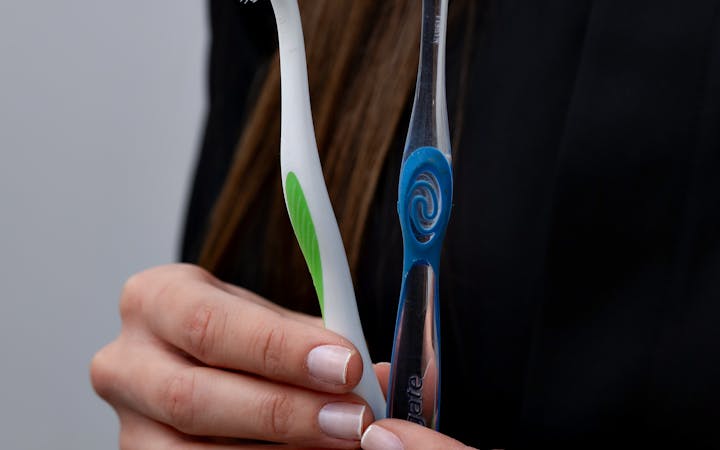
Daily toothbrushing, mouthwash and dental visits can affect how nasal symptoms are perceived. This article explores common ways oral care and rhinitis can overlap and what people often notice.

Many people with rhinitis notice symptoms change after lights-out. This article outlines common nighttime patterns and gentle, non-prescriptive adjustments that some find helpful for calmer nights.

Many people notice rhinitis symptoms change during times of stress or strong emotion. This piece outlines common patterns people report and gentle, non-medical ways to observe and respond to those links.

Scented shops, perfumes, and fragranced cleaning products can make public spaces challenging for people with rhinitis. This article offers practical, non-prescriptive ways to notice triggers and reduce exposure in everyday scented environments.

Crowded occasions, celebrations, and long receptions can present specific challenges for people with rhinitis. This article offers practical, general strategies to help you stay comfortable while attending social events.

Many people with rhinitis notice changes in symptoms when they wear face masks. This article explores common effects, comfort strategies, and practical tips for managing mask-related issues without giving medical advice.

Physical activity can change how rhinitis feels for many people. This article gives practical, non-prescriptive information about common workout-related triggers and ways people often adapt their routines.

Airports and airplanes create a mix of environmental factors that can influence nasal symptoms. This article offers practical, non-prescriptive information to help you notice patterns and plan for travel with rhinitis.

Many people with rhinitis notice that certain smells, steam, or smoke from cooking seem to coincide with nasal symptoms. This article highlights practical, non-prescriptive ways to reduce exposure to common kitchen triggers and make meal prep more comfortable.

Restaurants bring sensory variety that can affect nasal comfort — from kitchen aromas to crowded, humid dining rooms. This article offers neutral, practical ideas to help people with rhinitis navigate meals out with more awareness and options.

Many people with rhinitis find that cosmetics and application habits can influence nasal or eye symptoms. This article outlines common cosmetic-related triggers and gentle, non-prescriptive approaches to reduce exposure.

Fluids and beverages can influence how rhinitis feels day to day. This article explores common links between drinking habits and nasal symptoms, and practical ways people notice patterns.

Shared workspaces bring specific rhinitis triggers and choices. This article outlines neutral, workplace-focused ideas to notice patterns, reduce exposures, and communicate needs at the office.

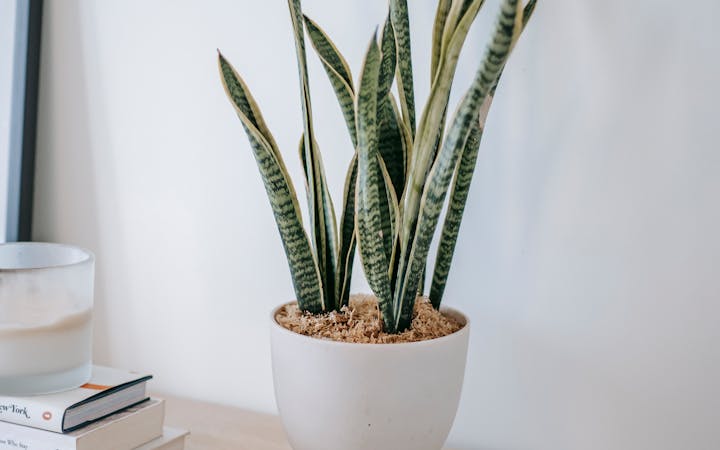
Many people enjoy houseplants for greenery and comfort. This article looks at ways indoor plants can interact with rhinitis symptoms and practical, low-key steps people often try to reduce unwanted effects.

Rhinitis can affect how your voice feels and sounds during work or performances. This article offers general, non-prescriptive tips to help voice-dependent people reduce interruptions and stay comfortable while speaking or singing.

Smartphones, wearables, and home sensors can help you notice symptom patterns over time. This article outlines common digital tools, what they record, and practical ways to use them carefully.

Long car rides and daily commutes can present specific rhinitis challenges. This article outlines practical, general strategies to reduce discomfort and make driving time more manageable.

Rhinitis can influence the mouth as well as the nose, often leading to dry mouth and throat changes when nasal airflow is limited. This article outlines common oral symptoms associated with nasal congestion and practical, non-prescriptive strategies people use to support oral comfort.

Exploring how emotional stress and daily pressures may relate to nasal symptoms, and practical ways people often observe and respond to those patterns. Focus is on awareness and lifestyle approaches rather than clinical guidance.

Physical activity can interact with rhinitis in different ways depending on triggers and environment. This article outlines common exercise-related triggers and practical, general strategies to help you plan comfortable workouts.

Travel can introduce new smells, dry air, and timing challenges that affect rhinitis symptoms. This article outlines general, non-prescriptive strategies to help you plan and adapt while away from home.

Many people with rhinitis notice that perfumes, scented products, and strong odors can affect their nasal comfort. This article explains how to recognize common fragrance sources and practical ways to reduce exposure in daily life.

Shopping and storing food can introduce smells and particles that affect nasal comfort. This article gives practical, non-prescriptive ideas for reducing exposure while you shop and organize food at home.

Renovation work can stir dust, fumes, and other triggers that affect rhinitis. This article outlines practical, non-medical steps to lower exposure and make projects more comfortable.

Attending parties, meetings, or family events can bring smells, food, and crowds that may trigger rhinitis symptoms for some people. This article offers general, non-prescriptive ideas to help you plan and cope during social situations.

Small changes to your evening habits and sleep setup can influence how rhinitis affects your nights. This article explores gentle, non-prescriptive ways to plan bedtime to reduce overnight nasal discomfort.

Knowing what product labels mean and how different options are used can make living with rhinitis less confusing. This article explains common label terms, practical handling and tracking tips, and when to ask a clinician or pharmacist for clarification.

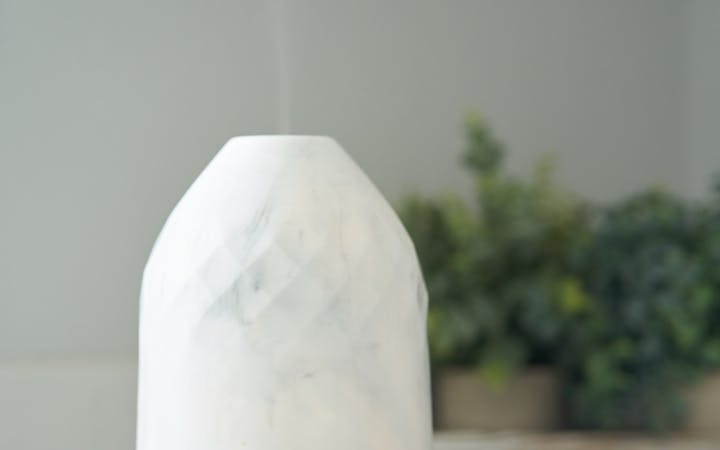
Indoor humidity and air-cleaning devices can affect nasal comfort. This article explains how humidifiers, dehumidifiers, and air purifiers relate to rhinitis and offers general considerations for use and upkeep.

Workplaces can influence rhinitis symptoms for some people. This article outlines common office triggers and practical, non-prescriptive ways to reduce discomfort and navigate work routines.

Food preparation and mealtimes can bring up different rhinitis experiences for different people. This article outlines everyday strategies to reduce common kitchen and eating triggers and to notice what works best for you.

Rhinitis can change how your voice feels and performs. These everyday strategies may help you manage comfort and projection while speaking or singing without giving medical directions.

What you wear and how you care for clothing can influence nasal comfort. This article explores fabrics, laundry choices, and simple habits that some people with rhinitis find helpful to consider.

Rhinitis can change how exercise feels and what environments trigger symptoms. This article outlines practical steps to plan workouts that aim to reduce nasal and irritant discomfort.

Travel can introduce extra irritants and comfort challenges for people with rhinitis. This article offers practical, non-prescriptive ideas for planning, packing, and managing common airport and in-flight situations.

Products you use every day—soaps, shampoos, cosmetics, and detergents—can influence nasal comfort. This article outlines approaches to selecting and testing personal care items with rhinitis in mind.

Keeping a simple record of symptoms and exposures can make it easier to spot patterns and manage everyday choices. This article explains what to track, tools to use, and how reviewing a log may help inform conversations about rhinitis.

Many people with rhinitis notice a link between emotions and nasal symptoms. This article outlines common connections and gentle, non-prescriptive approaches to reduce discomfort when stress or strong feelings arise.

Rhinitis can influence comfort in many social and work situations. Clear, simple communication about needs can reduce misunderstandings and make gatherings easier for everyone.

Many people with rhinitis notice that odors and fragrances can make symptoms more noticeable. This article offers practical, non-medical approaches for reducing scent exposure and staying comfortable in social and public settings.

Rhinitis can affect the mouth as well as the nose. Understanding common oral effects and simple comfort-focused strategies can help people with rhinitis manage everyday oral symptoms.

Indoor air quality can influence how rhinitis feels day to day. Practical, general steps and simple devices may help reduce common indoor triggers and improve comfort.
Read article
Many people with rhinitis notice symptoms change at night; small adjustments to sleep habits and the sleep environment can influence nighttime comfort. This article outlines gentle, non-prescriptive ideas to consider for calmer nights and better rest.
Read article

Many people with rhinitis notice that what, how, and when they eat can influence nasal comfort. This article outlines common eating-related patterns and general strategies people report using to reduce mealtime irritation.
Read article

Cooking and meal prep can produce steam, smoke, and strong aromas that some people with rhinitis find irritating. This article outlines practical, general strategies to make the kitchen more comfortable without giving medical advice.
Read article

Many people with rhinitis enjoy gardening but encounter sniffles, congestion, or itchy eyes. This article offers general, non-prescriptive ideas to make gardening more comfortable and manageable.
Read article

Physical activity can influence rhinitis symptoms in different ways for different people. This article outlines how activity type, timing, and surroundings may affect comfort and offers practical planning ideas.
Read article
A compact, personalized travel kit can help people with rhinitis navigate changing air, crowds, and routines while away from home. This article outlines practical, non-prescriptive ideas for assembling and using a comfort kit that fits your needs.
Read article
Everyday beauty products and routines can influence nasal comfort for people with rhinitis. This article explains common product features and small routine changes that people often find helpful to reduce irritation.
Read article

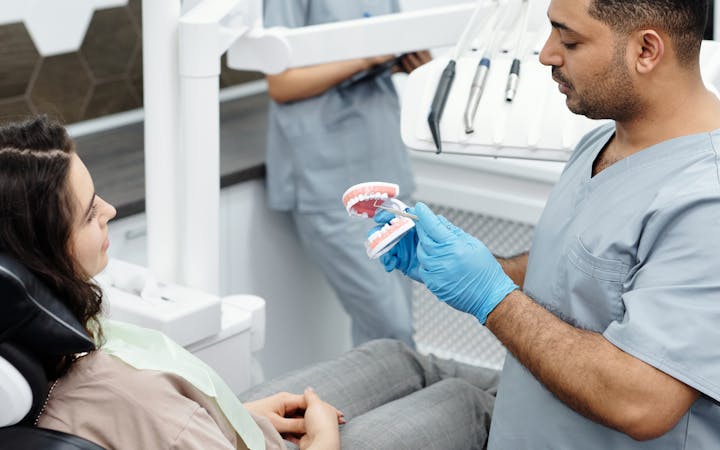
What you wear and how you care for clothes can influence nasal comfort for people with rhinitis. This article explores fabric choices, laundry habits, and accessory tips that may help reduce irritation in daily life.
Read article
Many people notice that their rhinitis feels different during times of stress or emotional upset. This article explores common links between stress and nasal comfort and offers general, non-prescriptive ways to reduce everyday impacts.
Read article
Rhinitis can affect comfort and focus during the workday and while traveling to work. This article outlines practical, non-prescriptive ways to reduce common triggers and improve day-to-day comfort in work and commuting settings.
Read article
Strong smells can be a common nuisance for people with rhinitis. This article explores practical, low-pressure ways to reduce scent-related discomfort in daily life.
Read article
Rhinitis can affect how people feel in social and work settings. Thoughtful communication and small practical steps may help reduce awkward moments and support comfort during interactions.
Read article
Nasal symptoms can influence the mouth and throat in ways people may not expect. This article outlines common links and everyday approaches that may support oral comfort.
Read article
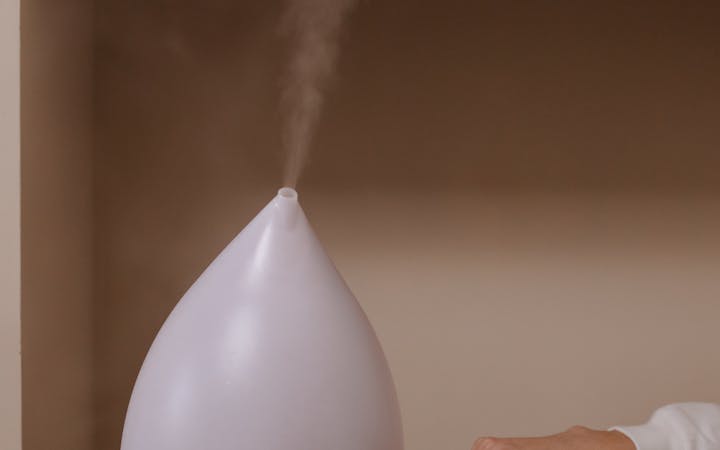
Indoor air often influences how comfortable someone with rhinitis feels. Learning the basics of filters, purifiers, and airflow can help you weigh options for improving everyday indoor comfort.
Read article

Small changes to your evening routine and bedroom air can influence how rhinitis feels overnight. This article reviews gentle, non-prescriptive strategies to help improve nighttime comfort.
Read article

Food, temperature, and the dining environment can influence how your nose feels during and after meals. This article outlines common mealtime factors people report and safe, general strategies for noticing patterns.

Read article
Fluid intake and the sensations around the nose are connected in several ways. This article explores how different drinks, timing, and related habits can affect nasal comfort for people with rhinitis.
Read article
Physical activity can change nasal symptoms for many people with rhinitis. This article outlines practical, non-prescriptive strategies to help you plan and adjust workouts for greater comfort.
Read article
Travel can change the mix of triggers and routines that affect rhinitis. This guide looks at practical, non-prescriptive steps people often use to help reduce discomfort while away from home.
Read article
Digital and smart-home tools are increasingly used to notice patterns, adjust environments, and keep daily routines consistent for people with rhinitis. This article outlines common technologies and practical considerations for using them thoughtfully.
Read article
Face coverings can change how airborne triggers reach your nose and how your nasal passages feel. This article explores everyday mask considerations for people with rhinitis without offering medical guidance.
Read article
Fabrics, finishes and laundering can all influence nasal comfort for people with rhinitis. This article shares practical, non-prescriptive ideas to help you notice and limit clothing-related irritants.
Read article
Small changes in cleaning and laundry habits can influence nasal comfort for people with rhinitis. This article reviews simple, non-medical steps to reduce exposure to common irritants in fabrics and cleaning products.
Read article
People with rhinitis may notice strong fragrances and household odors can make symptoms more noticeable. This article outlines common scent sources, how to spot patterns, and general steps people use to reduce exposure and stay comfortable.
Read article
Rhinitis can influence comfort and focus at work in subtle ways. This article outlines general approaches to navigating symptoms across commutes, meetings, and shared office spaces without offering medical advice.
Read article
Rhinitis can affect more than the nose. Learn how nasal symptoms often connect with mouth dryness, voice changes, and everyday oral comfort.
Read article
Being around people often means facing triggers or awkward moments for someone with rhinitis. This article outlines practical, non-prescriptive ways to think about comfort, communication, and simple planning for social situations.
Read article
Many people with rhinitis notice changes at night that affect rest and comfort. This article outlines common nighttime challenges and general strategies people use to improve sleep when nasal symptoms are present.
Read article
Mealtime choices and routines can influence nasal symptoms for some people with rhinitis. This article outlines commonly reported food-related triggers, mealtime patterns that matter, and practical, general strategies to notice and reduce discomfort around eating.
Read article
Emotional states can influence how people experience rhinitis. This article explores common emotional triggers, how they may affect symptoms, and gentle strategies for managing the interaction.
Read article
Indoor air can influence nasal comfort in many people with rhinitis. This article explains common indoor factors and practical steps to consider for a more comfortable living space.
Read article
Travel can change the air, routines, and exposures that affect rhinitis. Practical planning and simple habits may help you stay more comfortable on the road.
Read article
Physical activity can change how rhinitis symptoms feel and when they appear. This article explores common ways exercise interacts with rhinitis and offers gentle, non-prescriptive ideas to notice and try.
Read article