
Choosing Personal Care Products When You Have Rhinitis
Products you use every day—soaps, shampoos, cosmetics, and detergents—can influence nasal comfort. This article outlines approaches to selecting and testing personal care items with rhinitis in mind.
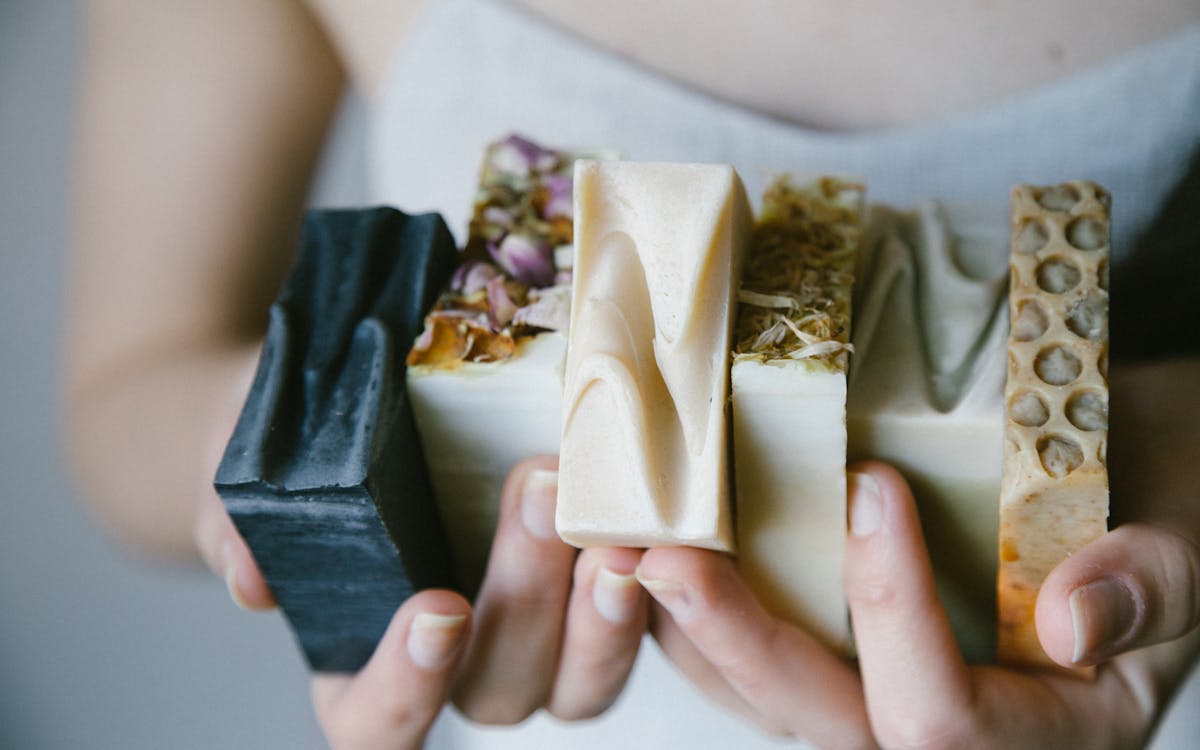
Photo by Meruyert Gonullu on Pexels
Personal care products often contain fragrances, solvents, preservatives, and other volatile compounds that can affect the nose and throat. People with rhinitis sometimes notice increased sneezing, congestion, or irritation after using or being near certain soaps, shampoos, cosmetics, or cleaning products.
When choosing items, you might look at ingredient lists and marketing claims with a practical lens. Terms such as "fragrance-free," "unscented," or "for sensitive skin" describe product intent but do not guarantee an absence of irritants, and different formulations can affect people differently. Trying small sizes, samples, or fragrance-free lines can help you learn what works for you.
Introduce one new product at a time and use it in a controlled way so you can notice any change. Simple checks—using a product in a short, limited test or applying it to a small area of skin—can reduce uncertainty. Also be mindful of scent layering: combining several fragranced products can increase airborne scent intensity.
Household practices can support comfort, such as keeping commonly used shared products milder or labeled so everyone knows what's in regular use. When visiting or hosting, clear, kind communication about fragrance preferences can reduce surprises. Packing a small, familiar toiletry bag for outings can also help maintain a consistent set of products.
Keeping a brief note of products tried and any reactions—what you used, when, and what happened—can make it easier to spot patterns over time. If reactions are frequent or concerning, consider discussing options with a pharmacist or other trusted clinician to explore next steps. Finding a personal routine that reduces irritation is often a process of small, practical adjustments.
Daily articles
Subscribe for daily reads and jump into the latest article now.
Receive RhinitisRank articles by text message and email each day, then head straight to the article library whenever you want a deeper read.

Fresh reading
Educational reads for flare-ups, patterns, and next steps.
Related reading
More articles in this topic cluster
Continue with nearby rhinitis questions, symptom patterns, and follow-up reading.

Exercise and Rhinitis: Tips for Comfortable Workouts
Simple, general approaches to make exercise more comfortable with rhinitis — from choosing where to work out to gentle warm-ups and post-exercise care.

Evening Routines to Ease Rhinitis Symptoms at Night
Simple evening habits and gentle nasal-care steps to consider for managing rhinitis symptoms that show up at night.
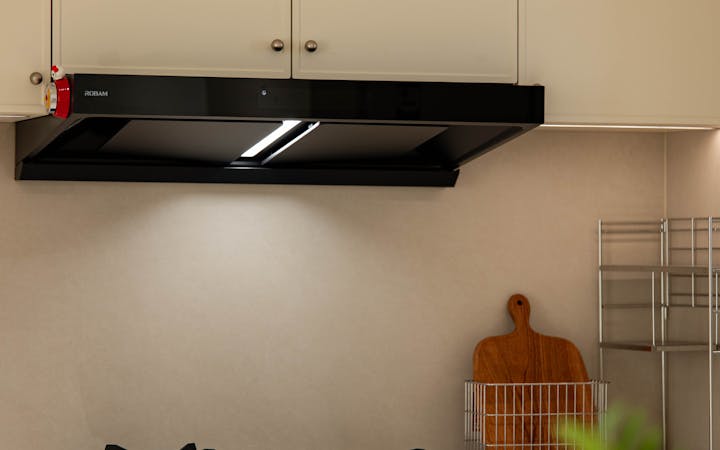
Cooking and Kitchen Strategies for Rhinitis-Friendly Meals
From ventilation and cooking methods to ingredient choices and cleanup, these tips aim to lower common kitchen triggers during meal planning and preparation.
Archive
Back to the article hub
Browse more RhinitisRank articles and long-tail education pages.
OpenPractical tools
Move into practical resources
Open tools like the trigger diary, checklists, and visit-prep resources.
OpenQuick assessment
Take the rhinitis quiz
Turn symptoms into a clearer starting point before your next appointment.
Open