

Cooking and Eating with Rhinitis: Kitchen Triggers and Tips
Food preparation and mealtimes can bring up different rhinitis experiences for different people. This article outlines everyday strategies to reduce common kitchen and eating triggers and to notice what works best for you.
Photo by Andrea Piacquadio on Pexels
Many people with rhinitis notice that smells, steam, spices, or temperature changes during cooking and eating can affect their nose and throat. Reactions vary widely, so learning personal patterns can help you make the kitchen and mealtime more comfortable. Simple changes in how and where you prepare food may reduce sudden exposures to strong aromas or airborne particles.
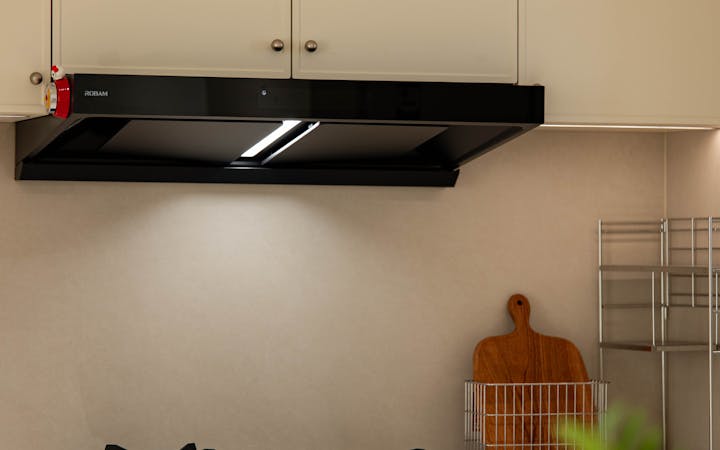
Ventilation matters in the kitchen: running an exhaust hood, using a fan, or briefly opening a window when safe can move cooking air out of the room. Some cooking methods produce more smoke or steam than others, and some people report fewer symptoms with gentler techniques. Preparing the most pungent ingredients with airflow or at a time when others aren’t present can also help reduce peak exposures.
Ingredients themselves can be triggers for some people—onions, garlic, hot peppers, and certain spices are commonly noticed—while others find hot beverages or very cold foods change nasal sensation. If you suspect specific foods make symptoms worse, try noting them in a simple food-and-symptom log to spot patterns. Small experiments, like swapping an ingredient or adjusting heat, can give practical information without major changes to your meals.
When eating out or sharing food, smells and kitchen activity are harder to control. Choosing seating away from busy cooking areas, selecting milder menu options, or asking about preparation style are examples of ways people reduce exposure in public eating settings. Paying attention to how quickly or slowly you eat, and to drink temperatures, can also influence comfort during meals for some individuals.
Keeping the kitchen clean and dry may lower lingering odors and airborne irritants: wiping surfaces, emptying trash, and storing spices and strong-smelling foods in sealed containers are common approaches. If symptoms persist or significantly affect daily life, consider discussing them with a healthcare professional to explore assessments and tailored strategies. Tracking your experiences and sharing them with a clinician or allergy specialist can help you develop a plan that fits your lifestyle.
Daily articles
Subscribe for daily reads and jump into the latest article now.
Receive RhinitisRank articles by text message and email each day, then head straight to the article library whenever you want a deeper read.

Fresh reading
Educational reads for flare-ups, patterns, and next steps.
Related reading
More articles in this topic cluster
Continue with nearby rhinitis questions, symptom patterns, and follow-up reading.
Cooking and Kitchen Strategies for Rhinitis-Friendly Meals
From ventilation and cooking methods to ingredient choices and cleanup, these tips aim to lower common kitchen triggers during meal planning and preparation.

Nighttime Routines for Rhinitis: Improving Sleep Comfort
Many people with rhinitis notice symptoms change after dark. This article outlines common nighttime triggers and practical, non-prescriptive ideas for bedtime routines that some people find helpful for sleep comfort.

How Stress and Emotions Affect Rhinitis Symptoms
Emotional states and stress can influence how rhinitis feels day to day. This article outlines common patterns and practical, non-prescriptive ways people notice and respond to symptom changes linked to stress.
Archive
Back to the article hub
Browse more RhinitisRank articles and long-tail education pages.
OpenPractical tools
Move into practical resources
Open tools like the trigger diary, checklists, and visit-prep resources.
OpenQuick assessment
Take the rhinitis quiz
Turn symptoms into a clearer starting point before your next appointment.
Open