
Cooking and Kitchen Rhinitis: Managing Common Triggers
Everyday cooking and kitchen tasks can release steam, smoke, and particles that some people with rhinitis notice. This article outlines practical, non-prescriptive ideas to reduce airborne triggers while you prepare food.
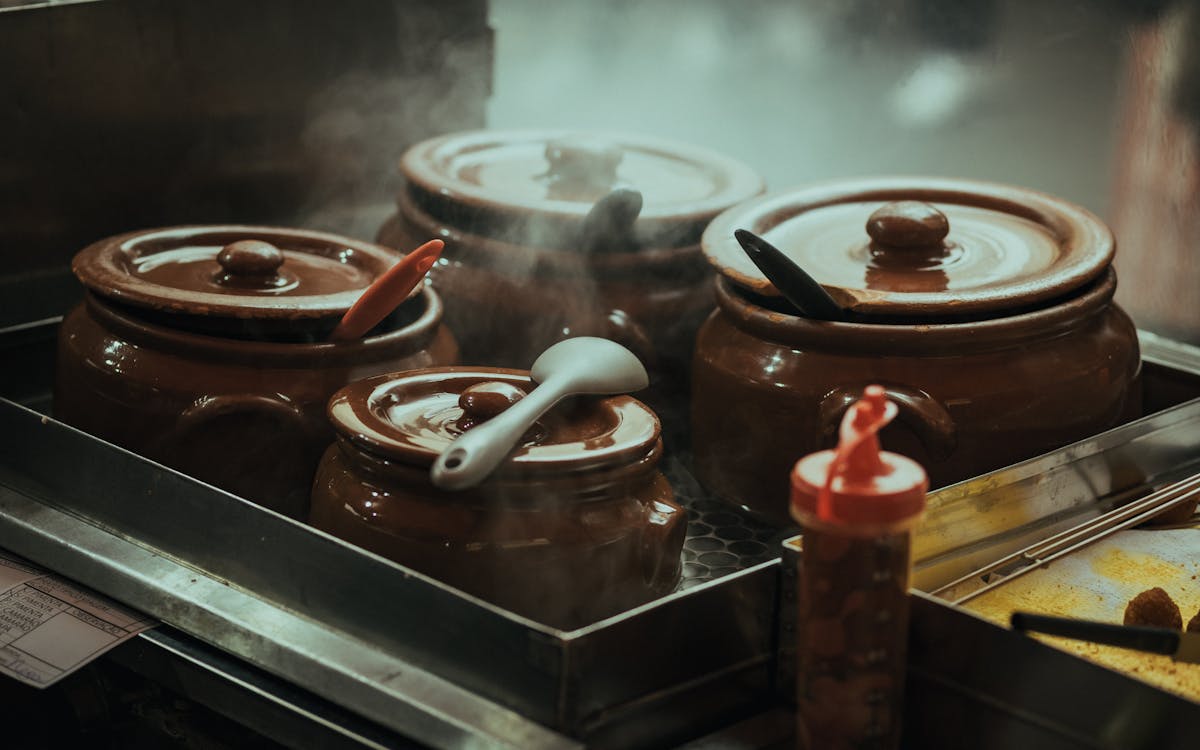
Photo by Thgusstavo Santana on Pexels
Kitchens are a frequent source of airborne irritants such as steam, smoke, toasted spices, and cleaning vapors that can feel noticeable in the nose and throat. For people with rhinitis, these common cooking and cleaning byproducts may make the environment feel more irritating at times.
Certain cooking methods—high-heat frying, searing, or charring—tend to produce more visible smoke and fine aerosols, while toasting or grinding spices can release fragrant particles. Small shifts in technique, such as covering pans or moderating heat, may change how much airborne material is produced and how noticeable it becomes.
Ventilation plays a key role in moving and diluting air inside the kitchen; using an exhaust hood, opening a window, or running a portable fan can change airflow patterns. Starting ventilation before cooking and keeping it running briefly afterward are simple timing choices some people use to reduce lingering smells and particles.
Prep and storage choices can affect short-term exposures: pouring flour, shaking powdered mixes, and handling dried spices may create dust that becomes airborne. Working with smaller quantities, keeping containers closed, or moving fragrant steps away from shared seating areas are practical approaches people often try to limit immediate exposure.
Cleaning products, aerosols, and strong fragrances used in and around the kitchen add another layer of airborne scents and chemicals. Selecting milder cleaners, applying sprays less directly, and ventilating while cleaning are options many find helpful to reduce strong kitchen odors after cooking.
Daily articles
Subscribe for daily reads and jump into the latest article now.
Receive RhinitisRank articles by text message and email each day, then head straight to the article library whenever you want a deeper read.

Fresh reading
Educational reads for flare-ups, patterns, and next steps.
Related reading
More articles in this topic cluster
Continue with nearby rhinitis questions, symptom patterns, and follow-up reading.

Managing Fragrance Sensitivity in Shared Public Spaces
If fragrances affect your rhinitis, small planning steps and clear communication can help when you run errands, take transit, or meet others. This article offers general, practical ideas.

How Air Cleaners, Filters, and Humidifiers Affect Rhinitis
Understand the basic functions, limitations, and upkeep of HEPA filters, air purifiers, and humidifiers so you can make informed choices for your indoor air.

Laundry and Clothing Habits That Ease Rhinitis Exposure
Adjusting how you wash, dry, and store clothes can reduce the chance of carrying irritants that affect rhinitis. This article outlines gentle, everyday habits to consider.
Archive
Back to the article hub
Browse more RhinitisRank articles and long-tail education pages.
OpenPractical tools
Move into practical resources
Open tools like the trigger diary, checklists, and visit-prep resources.
OpenQuick assessment
Take the rhinitis quiz
Turn symptoms into a clearer starting point before your next appointment.
Open