

Dining Out with Rhinitis: Navigating Restaurant Smells and Menus
Eating out can expose people with rhinitis to concentrated cooking aromas, cleaning scents, and crowded air. This article outlines general strategies to reduce exposure and make dining experiences more comfortable.
Restaurants can present a mix of sensory triggers that affect rhinitis symptoms: strong spices, frying smoke, perfume from other diners, and cleaning products. The combination of food aromas and enclosed ventilation can be more noticeable than at home, so being aware of common sources of smells can help you anticipate challenges.
Seating and timing sometimes influence how much exposure you experience. Choosing a table away from open kitchens, busy entrances, or heavy foot traffic may reduce direct contact with strong cooking smells; outdoor seating can offer different air quality but may introduce other triggers like pollen or vehicle exhaust.
Menu choices and cooking methods affect the intensity of aromas you encounter. Grilled and fried items often produce more smoke and lingering smells than steamed or boiled dishes, so some people prefer selections and preparation styles that generate less airborne scent.
Communicating your sensitivity to staff in a calm, brief way can be useful; asking how a dish is prepared or whether a kitchen can minimize strong seasonings are reasonable conversational options. If you dine with others, planning arrival times or quieting down perfumes in your group can also help manage the dining environment.
Many people find it helpful to plan ahead by checking menus online, bringing tissues or a small, familiar nasal care item, and allowing time for brief air breaks if symptoms increase. If you have ongoing concerns about symptoms in public places, discussing them with a healthcare professional can provide personalized guidance.
Daily articles
Subscribe for daily reads and jump into the latest article now.
Receive RhinitisRank articles by text message and email each day, then head straight to the article library whenever you want a deeper read.

Fresh reading
Educational reads for flare-ups, patterns, and next steps.
Related reading
More articles in this topic cluster
Continue with nearby rhinitis questions, symptom patterns, and follow-up reading.

Exercise and Rhinitis: Tips for Comfortable Workouts
Simple, general approaches to make exercise more comfortable with rhinitis — from choosing where to work out to gentle warm-ups and post-exercise care.

Evening Routines to Ease Rhinitis Symptoms at Night
Simple evening habits and gentle nasal-care steps to consider for managing rhinitis symptoms that show up at night.
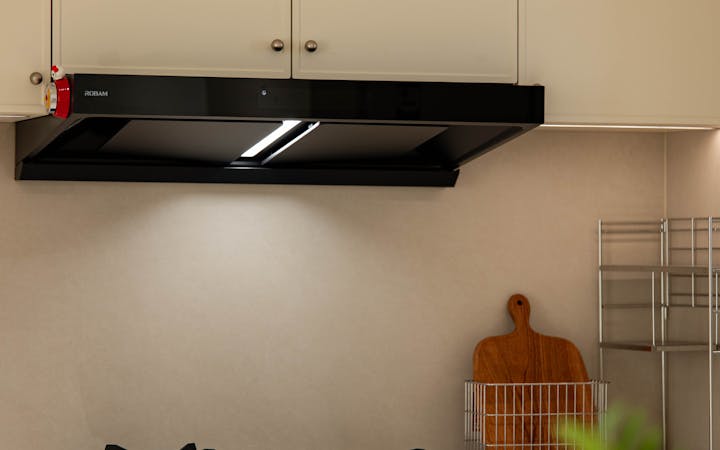
Cooking and Kitchen Strategies for Rhinitis-Friendly Meals
From ventilation and cooking methods to ingredient choices and cleanup, these tips aim to lower common kitchen triggers during meal planning and preparation.
Archive
Back to the article hub
Browse more RhinitisRank articles and long-tail education pages.
OpenPractical tools
Move into practical resources
Open tools like the trigger diary, checklists, and visit-prep resources.
OpenQuick assessment
Take the rhinitis quiz
Turn symptoms into a clearer starting point before your next appointment.
Open