
Living with Rhinitis: Indoor Plants and Symptoms
Many people enjoy houseplants for greenery and comfort. This article looks at ways indoor plants can interact with rhinitis symptoms and practical, low-key steps people often try to reduce unwanted effects.
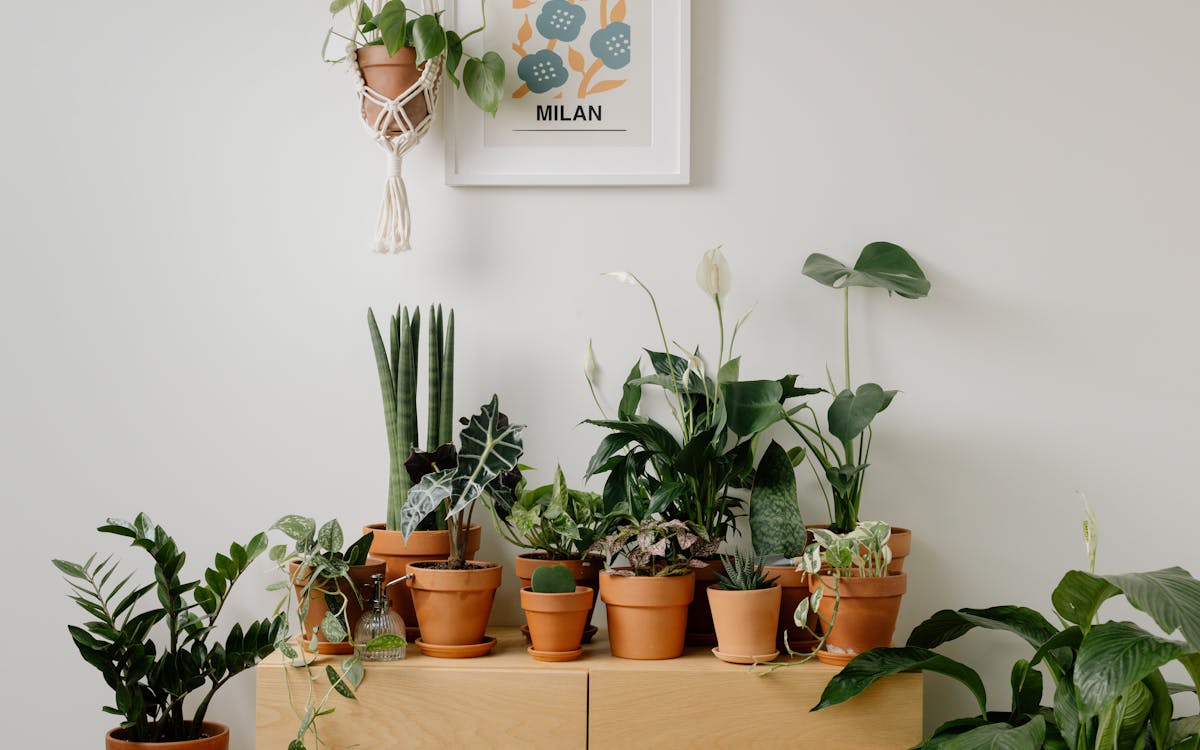
Photo by cottonbro studio on Pexels
Indoor plants bring color and a sense of calm, but they can also introduce elements that some people with rhinitis notice. Pollen from flowering varieties, damp potting mix that can develop mold, and plant-care products with fragrances are possible contributors to nasal or eye irritation for some individuals.
When picking plants, many people try a small number of non-flowering foliage varieties first and observe any changes over a few weeks. Placing plants away from where you spend long periods — such as a workstation or the area where you sleep — is another option people use to limit close exposure.
Soil and watering habits matter to some extent: allowing the surface to dry between waterings and using pots with drainage can reduce persistent dampness. If you notice musty smells, visible mold, or increased dust around a plant, those are signals some people use to decide whether to change how they care for it or move it outdoors periodically.
Routine cleaning can also be part of a management approach that some find helpful: gently wiping leaves to remove dust, emptying saucers of standing water, and choosing low-odor fertilizers or pest products when needed. Avoiding aerosol sprays near plants or in living spaces is another step people often consider to limit airborne irritants.
If you’re unsure how a particular plant affects you, trying one plant at a time and keeping a simple symptom log can clarify patterns. For persistent or bothersome symptoms, many people seek advice from a healthcare or allergy professional to explore personalized options and next steps.
Daily articles
Subscribe for daily reads and jump into the latest article now.
Receive RhinitisRank articles by text message and email each day, then head straight to the article library whenever you want a deeper read.

Fresh reading
Educational reads for flare-ups, patterns, and next steps.
Related reading
More articles in this topic cluster
Continue with nearby rhinitis questions, symptom patterns, and follow-up reading.

Managing Fragrance Sensitivity in Shared Public Spaces
If fragrances affect your rhinitis, small planning steps and clear communication can help when you run errands, take transit, or meet others. This article offers general, practical ideas.

How Air Cleaners, Filters, and Humidifiers Affect Rhinitis
Understand the basic functions, limitations, and upkeep of HEPA filters, air purifiers, and humidifiers so you can make informed choices for your indoor air.

Laundry and Clothing Habits That Ease Rhinitis Exposure
Adjusting how you wash, dry, and store clothes can reduce the chance of carrying irritants that affect rhinitis. This article outlines gentle, everyday habits to consider.
Archive
Back to the article hub
Browse more RhinitisRank articles and long-tail education pages.
OpenPractical tools
Move into practical resources
Open tools like the trigger diary, checklists, and visit-prep resources.
OpenQuick assessment
Take the rhinitis quiz
Turn symptoms into a clearer starting point before your next appointment.
Open