

Makeup and Rhinitis: Managing Cosmetics Without Flare-Ups
Many people with rhinitis find that cosmetics and application habits can influence nasal or eye symptoms. This article outlines common cosmetic-related triggers and gentle, non-prescriptive approaches to reduce exposure.
Photo by cottonbro studio on Pexels
Cosmetics contain a variety of ingredients and delivery formats that can affect people with rhinitis differently. Fragrances, aerosol sprays, powders, and some preservatives are examples of product features that some people report noticing around their nose or eyes. Individual sensitivity varies, so experiences with the same product can differ widely.
Application methods can change how much of a product reaches the nose or eyes. Sprays and loose powders can create airborne particles, while fingertip application or frequent face-touching can transfer substances directly. Some people find that changing how they apply makeup—such as using tools or minimizing sprays—can influence symptom patterns.
Removal and storage practices also matter for exposure. Thorough but gentle removal of cosmetics at the end of the day may reduce lingering irritants, and keeping products in closed containers can limit airborne transfer. Paying attention to shelf life and avoiding visibly contaminated items may also be helpful for personal comfort.
Label reading and simple testing strategies can help identify products that suit an individual’s tolerance. Looking for fragrance-free options, patch-testing a new product on a small skin area away from the nose, and rotating one product at a time are approaches people sometimes use to notice patterns. Professional input from a pharmacist or dermatologist can be another resource if questions arise.
Social and practical adjustments can make daily routines easier without being restrictive. Carrying tissues, choosing travel-friendly removers, and having a minimal emergency makeup kit are examples people use to manage unexpected flares. If cosmetic-related symptoms are recurrent or concerning, discussing them with a healthcare professional may provide tailored guidance.
Daily articles
Subscribe for daily reads and jump into the latest article now.
Receive RhinitisRank articles by text message and email each day, then head straight to the article library whenever you want a deeper read.

Fresh reading
Educational reads for flare-ups, patterns, and next steps.
Related reading
More articles in this topic cluster
Continue with nearby rhinitis questions, symptom patterns, and follow-up reading.

Exercise and Rhinitis: Tips for Comfortable Workouts
Simple, general approaches to make exercise more comfortable with rhinitis — from choosing where to work out to gentle warm-ups and post-exercise care.

Evening Routines to Ease Rhinitis Symptoms at Night
Simple evening habits and gentle nasal-care steps to consider for managing rhinitis symptoms that show up at night.
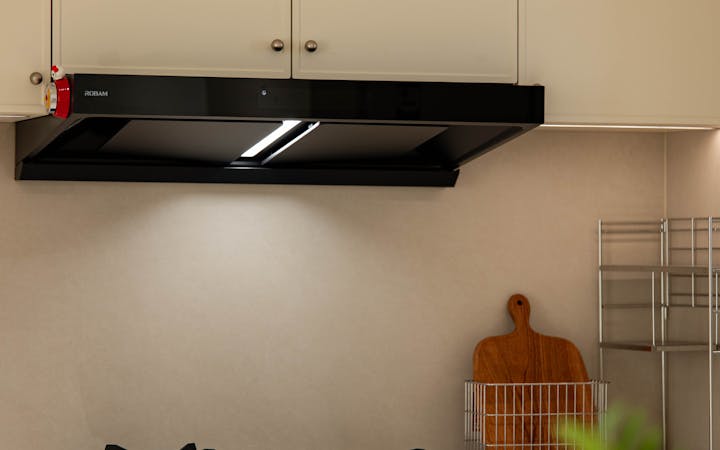
Cooking and Kitchen Strategies for Rhinitis-Friendly Meals
From ventilation and cooking methods to ingredient choices and cleanup, these tips aim to lower common kitchen triggers during meal planning and preparation.
Archive
Back to the article hub
Browse more RhinitisRank articles and long-tail education pages.
OpenPractical tools
Move into practical resources
Open tools like the trigger diary, checklists, and visit-prep resources.
OpenQuick assessment
Take the rhinitis quiz
Turn symptoms into a clearer starting point before your next appointment.
Open