

Making Scents Work: Managing Fragrances With Rhinitis
Many people with rhinitis notice that perfumes, scented products, and strong odors can affect their nasal comfort. This article explains how to recognize common fragrance sources and practical ways to reduce exposure in daily life.
Photo by RDNE Stock project on Pexels
Scented products and strong odors are common parts of modern life, and for people with rhinitis they can sometimes lead to increased nasal awareness. Learning where fragrances hide and how your nose responds to them is a first step toward fewer unexpected triggers.
Common sources of fragrances include personal care items (like perfumes, colognes, and scented lotions), household cleaners, air fresheners, scented candles or incense, and cooking or smoke odors. Noticing patterns—when symptoms start, what you were near, and how long they last—can help you identify which smells are most relevant for you.
Small changes in personal routines may reduce fragrance exposure. Options people try include switching to unscented or mild products, avoiding aerosol sprays, and asking others to limit heavy perfumes in close-contact settings. Carrying a neutral-smelling item or planning short breaks from strong-smelling areas can also be useful strategies.
In social and workplace situations, gentle communication about fragrance sensitivity can make shared spaces more comfortable; using neutral language and offering simple alternatives can help. If asking others to avoid certain products isn’t possible, choosing seating or positioning that increases distance from strong scents may reduce exposure.
Environmental steps can also help: increasing ventilation when possible, removing or reducing scented items in common areas, and packing unscented toiletries when traveling. Because responses to scents vary widely, experimenting cautiously with changes and noting what helps you most can guide practical, individualized choices.
Daily articles
Subscribe for daily reads and jump into the latest article now.
Receive RhinitisRank articles by text message and email each day, then head straight to the article library whenever you want a deeper read.

Fresh reading
Educational reads for flare-ups, patterns, and next steps.
Related reading
More articles in this topic cluster
Continue with nearby rhinitis questions, symptom patterns, and follow-up reading.

Managing Fragrance Sensitivity in Shared Public Spaces
If fragrances affect your rhinitis, small planning steps and clear communication can help when you run errands, take transit, or meet others. This article offers general, practical ideas.
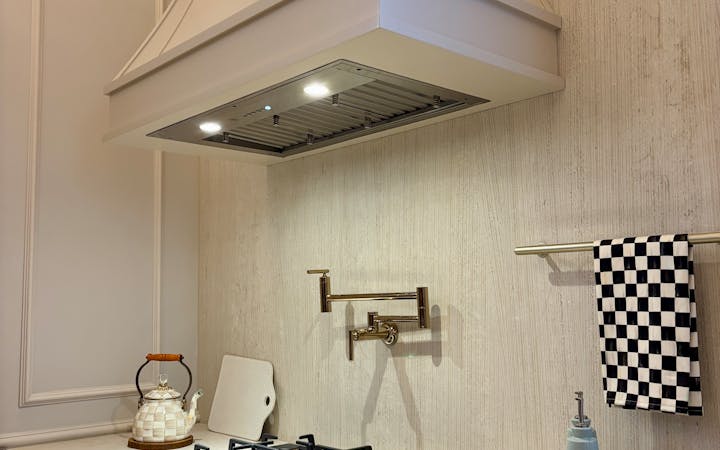
Rhinitis and Home Cooking: Managing Kitchen Triggers
Many people with rhinitis notice that certain smells, steam, or smoke from cooking seem to coincide with nasal symptoms. This article highlights practical, non-prescriptive ways to reduce exposure to common kitchen triggers and make meal prep more comfortable.

How Air Cleaners, Filters, and Humidifiers Affect Rhinitis
Understand the basic functions, limitations, and upkeep of HEPA filters, air purifiers, and humidifiers so you can make informed choices for your indoor air.
Archive
Back to the article hub
Browse more RhinitisRank articles and long-tail education pages.
OpenPractical tools
Move into practical resources
Open tools like the trigger diary, checklists, and visit-prep resources.
OpenQuick assessment
Take the rhinitis quiz
Turn symptoms into a clearer starting point before your next appointment.
Open