
Planning Home Projects When You Have Rhinitis
Home repairs, painting, and flooring work can stir dust, fumes, and scents that affect nasal comfort. This article offers general planning ideas to help reduce exposure during projects.
In brief
Renovations can bring dust and odors that may worsen rhinitis symptoms for some people. Learn practical, non-prescriptive steps to consider before, during, and after work.
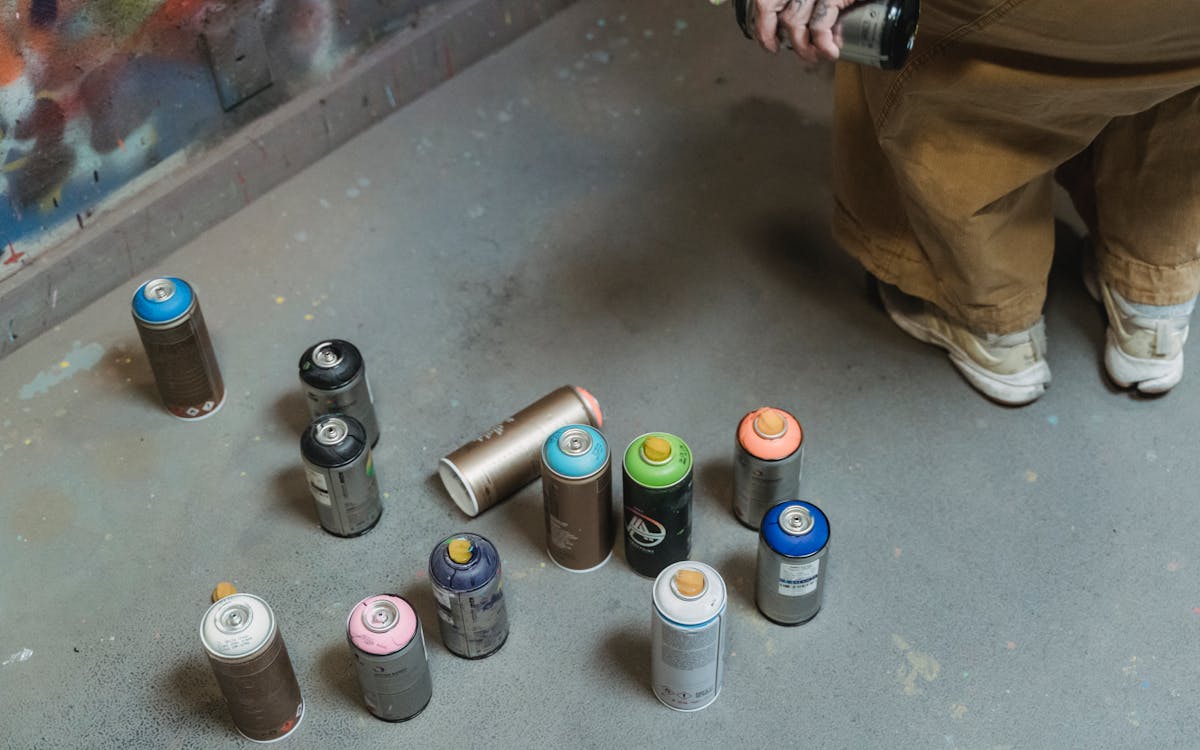
Photo by Felicity Tai on Pexels
Home projects—from small repairs to full remodels—often generate dust, fumes, and odors. These byproducts can be noticeable and bothersome for people with rhinitis. Understanding common sources of airborne particles and scents helps with practical planning.
During the planning phase, consider product choices and timelines. Some people look for low‑VOC paints, sealants, and adhesives; others prioritize contractors who use dust control methods. Asking suppliers and installers about product ingredients and drying/curing times can clarify what to expect.
On-site practices can affect how much airborne material spreads through a home. Containment strategies (sealed barriers, closed doors), local ventilation (fans exhausting outdoors), and scheduling higher-odor tasks when occupants can be away are options some homeowners use. Communicating preferences for dust-control steps with contractors can help set expectations.
Cleaning and air management after work are also part of reducing lingering particles. HEPA vacuums, damp wiping of surfaces, and replacing HVAC filters or running a portable air cleaner are common approaches. Allowing adequate airing-out time before regular use of a space may also reduce noticeable odors for some people.
If planning or living through a renovation raises concerns about rhinitis symptoms, consider discussing practical adjustments with the contractor or property manager. If symptoms are persistent or worrying, it can be helpful to mention them to a healthcare provider for individualized discussion and next steps.
Daily articles
Subscribe for daily reads and jump into the latest article now.
Receive RhinitisRank articles by text message and email each day, then head straight to the article library whenever you want a deeper read.

Fresh reading
Educational reads for flare-ups, patterns, and next steps.
Related reading
More articles in this topic cluster
Continue with nearby rhinitis questions, symptom patterns, and follow-up reading.
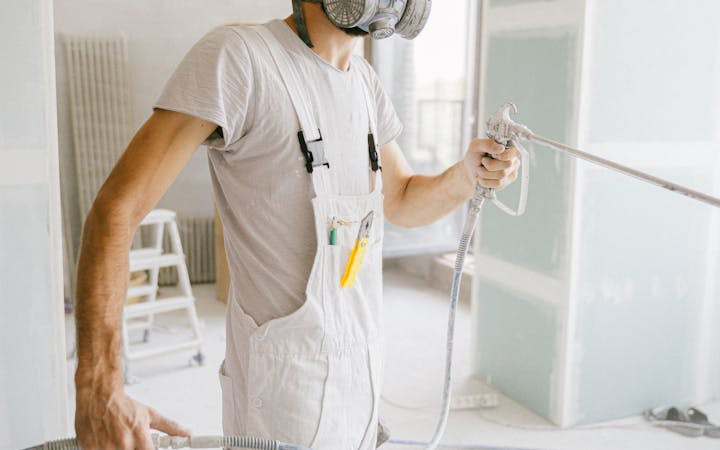
Managing Rhinitis During Home Renovations and Repairs
Renovations can increase rhinitis triggers like dust and paints. This guide outlines planning, dust control, ventilation, and contractor conversations to limit exposure.

Managing Fragrance Sensitivity in Shared Public Spaces
If fragrances affect your rhinitis, small planning steps and clear communication can help when you run errands, take transit, or meet others. This article offers general, practical ideas.

How Air Cleaners, Filters, and Humidifiers Affect Rhinitis
Understand the basic functions, limitations, and upkeep of HEPA filters, air purifiers, and humidifiers so you can make informed choices for your indoor air.
Archive
Back to the article hub
Browse more RhinitisRank articles and long-tail education pages.
OpenPractical tools
Move into practical resources
Open tools like the trigger diary, checklists, and visit-prep resources.
OpenQuick assessment
Take the rhinitis quiz
Turn symptoms into a clearer starting point before your next appointment.
Open