

Reading Medication Labels and Managing Rhinitis Treatments
Knowing what product labels mean and how different options are used can make living with rhinitis less confusing. This article explains common label terms, practical handling and tracking tips, and when to ask a clinician or pharmacist for clarification.
Photo by MART PRODUCTION on Pexels
People with rhinitis encounter many kinds of products: over-the-counter options, prescription medicines, saline rinses, and devices like metered nasal sprays. Learning the basic categories and how they are described on a label helps set realistic expectations about how a product is intended to be used.
When looking at a label, pay attention to the active ingredient name, concentration or strength, and the listed directions for use. Warnings, listed side effects, and inactive ingredients are also relevant — for example, fragrances and preservatives named on a label can be irritating for some people with rhinitis.
Combining products is a common consideration. It can be helpful to check whether two items contain the same active ingredient or similar classes of medicine to avoid unintentional duplication, and many people find it useful to keep a simple log of what they try and when.
Storage and device care affect how well a product works for an individual. Labels include expiration dates and storage recommendations, and routine cleaning steps for devices such as spray applicators or rinse equipment are often described in enclosed leaflets or packaging.
If labels are unclear, if a product causes unexpected effects, or if symptoms persist despite trying options described on packaging, that can be a good reason to consult a pharmacist or clinician. Bringing a list or photos of current products can make those conversations more productive and help clarify safe, compatible choices for daily use.
Daily articles
Subscribe for daily reads and jump into the latest article now.
Receive RhinitisRank articles by text message and email each day, then head straight to the article library whenever you want a deeper read.

Fresh reading
Educational reads for flare-ups, patterns, and next steps.
Related reading
More articles in this topic cluster
Continue with nearby rhinitis questions, symptom patterns, and follow-up reading.

Exercise and Rhinitis: Tips for Comfortable Workouts
Simple, general approaches to make exercise more comfortable with rhinitis — from choosing where to work out to gentle warm-ups and post-exercise care.

Evening Routines to Ease Rhinitis Symptoms at Night
Simple evening habits and gentle nasal-care steps to consider for managing rhinitis symptoms that show up at night.
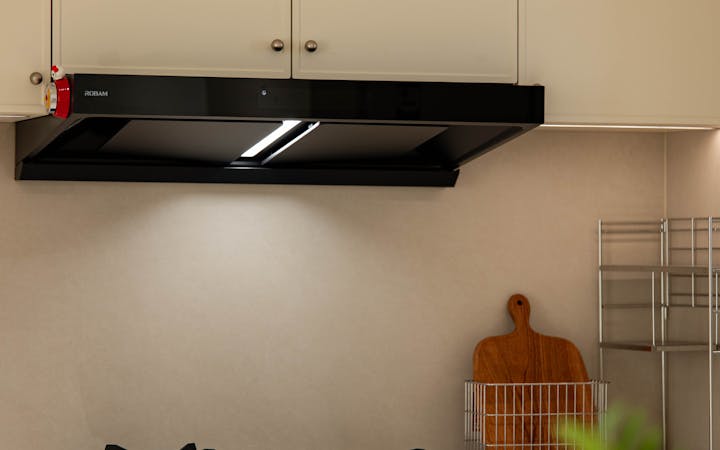
Cooking and Kitchen Strategies for Rhinitis-Friendly Meals
From ventilation and cooking methods to ingredient choices and cleanup, these tips aim to lower common kitchen triggers during meal planning and preparation.
Archive
Back to the article hub
Browse more RhinitisRank articles and long-tail education pages.
OpenPractical tools
Move into practical resources
Open tools like the trigger diary, checklists, and visit-prep resources.
OpenQuick assessment
Take the rhinitis quiz
Turn symptoms into a clearer starting point before your next appointment.
Open