
Rhinitis and Oral Health: Managing Mouth-Breathing Effects
Rhinitis can influence the mouth as well as the nose, often leading to dry mouth and throat changes when nasal airflow is limited. This article outlines common oral symptoms associated with nasal congestion and practical, non-prescriptive strategies people use to support oral comfort.
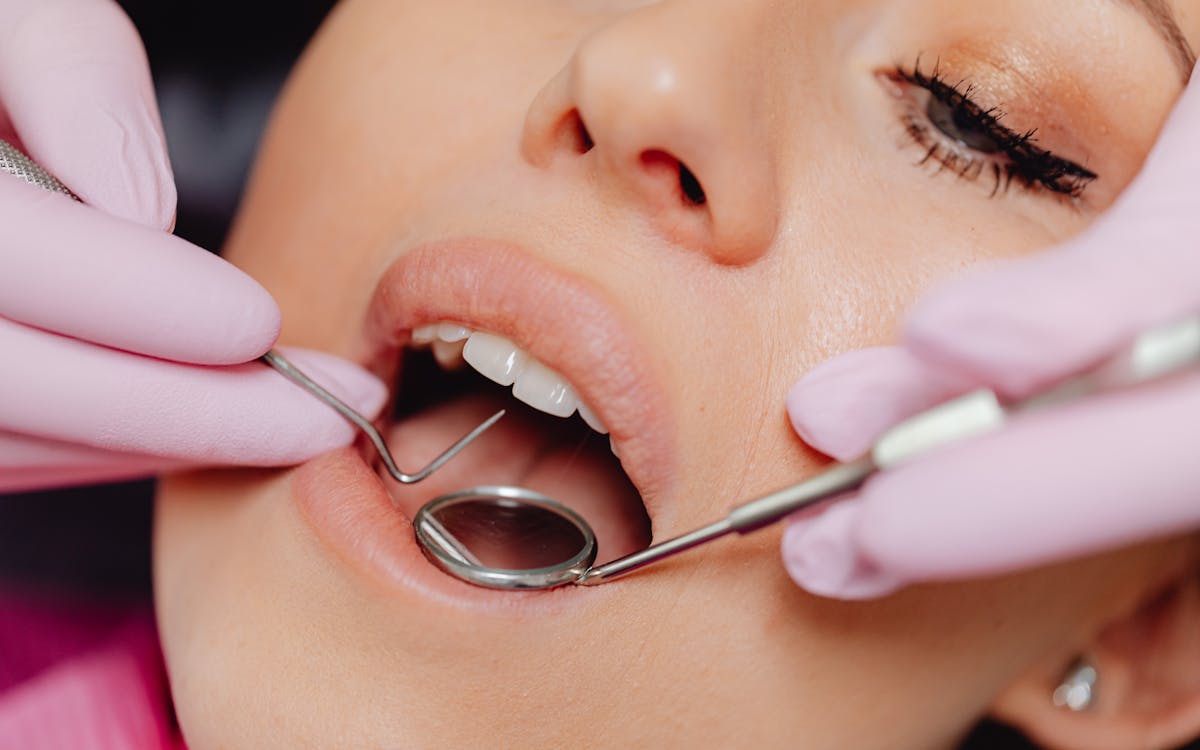
Photo by www.kaboompics.com on Pexels
When nasal airflow is reduced, many people unconsciously breathe through the mouth more often. Mouth breathing can change the oral environment by reducing saliva flow and altering moisture levels, which may make the mouth feel dry or irritated.
Symptoms often linked with nasal congestion include persistent dry mouth, throat clearing, a coated tongue, and a temporary change in taste or breath odor. These sensations are common and can vary in intensity from person to person and over time.
Simple daily practices may help people notice and manage oral discomfort: staying hydrated, avoiding long stretches without sipping fluids, and using sugar-free lozenges or gum to encourage saliva production. Gentle oral hygiene—regular brushing, flossing, and tongue care—can also support comfort, while tobacco and alcohol commonly contribute to dryness.
Dental professionals can be useful partners when oral symptoms coexist with rhinitis. Letting a dentist know about frequent nasal congestion or mouth breathing can help them adapt care, suggest suitable oral products, and monitor for changes that might benefit from attention.
Noticing patterns—times of day, environments, or activities when mouth dryness or throat irritation worsen—can help guide practical adjustments at home or conversation with a clinician. If oral symptoms are persistent or bothersome, consider discussing them with a dentist or healthcare provider to explore individualized options.
Daily articles
Subscribe for daily reads and jump into the latest article now.
Receive RhinitisRank articles by text message and email each day, then head straight to the article library whenever you want a deeper read.

Fresh reading
Educational reads for flare-ups, patterns, and next steps.
Related reading
More articles in this topic cluster
Continue with nearby rhinitis questions, symptom patterns, and follow-up reading.

Rhinitis and Oral Health: Dry Mouth, Breath, and Care
Rhinitis can affect the mouth as well as the nose. Understanding common oral effects and simple comfort-focused strategies can help people with rhinitis manage everyday oral symptoms.

Tracking Rhinitis: A Practical Symptom and Trigger Log
Keeping a simple record of symptoms and exposures can make it easier to spot patterns and manage everyday choices. This article explains what to track, tools to use, and how reviewing a log may help inform conversations about rhinitis.

Exercise and Rhinitis: Tips for Comfortable Workouts
Simple, general approaches to make exercise more comfortable with rhinitis — from choosing where to work out to gentle warm-ups and post-exercise care.
Archive
Back to the article hub
Browse more RhinitisRank articles and long-tail education pages.
OpenPractical tools
Move into practical resources
Open tools like the trigger diary, checklists, and visit-prep resources.
OpenQuick assessment
Take the rhinitis quiz
Turn symptoms into a clearer starting point before your next appointment.
Open