

Smart Grocery Shopping and Food Storage With Rhinitis
Shopping and storing food can introduce smells and particles that affect nasal comfort. This article gives practical, non-prescriptive ideas for reducing exposure while you shop and organize food at home.
Photo by Mike Jones on Pexels
Grocery stores bring together many potential rhinitis triggers: floral displays, bakery aromas, cleaning sprays, refrigerated air, and dust from bulk bins. Being aware of common trigger areas can help you plan a shopping trip that feels more manageable.
In the store, consider mapping a route that limits time in high-scent zones like florals or freshly baked goods. Some people find it useful to shop during less busy hours, use lists to shorten errands, or choose pre-packaged produce instead of open bins.
When looking at labels and packaged items, watch for words like “scented” or added fragrances in cleaning products and some ready-made foods. Keeping a modest distance from heavily fragranced displays and avoiding samples that require sniffing may reduce brief exposures for some shoppers.
At home, storing food in sealed, breathable, or airtight containers can reduce odors and limit dust from dry goods such as flour and grains. Keeping pantry and refrigerator areas dry and tidy, cleaning up spills quickly, and rotating items to prevent spoilage are simple steps that many people find helpful.
Fresh produce and baked items can sometimes show early signs of spoilage or mold; handling and storing these promptly in appropriate containers may minimize later problems. If a particular food consistently seems to worsen nasal symptoms, experimenting with placement (for example, moving strong-smelling items away from shared living areas) could be worthwhile.
Everyone’s triggers differ, so small adjustments and careful observation can reveal what helps most. If concerns about symptoms or persistent problems arise, consider discussing them with a healthcare professional for tailored guidance.
Daily articles
Subscribe for daily reads and jump into the latest article now.
Receive RhinitisRank articles by text message and email each day, then head straight to the article library whenever you want a deeper read.

Fresh reading
Educational reads for flare-ups, patterns, and next steps.
Related reading
More articles in this topic cluster
Continue with nearby rhinitis questions, symptom patterns, and follow-up reading.
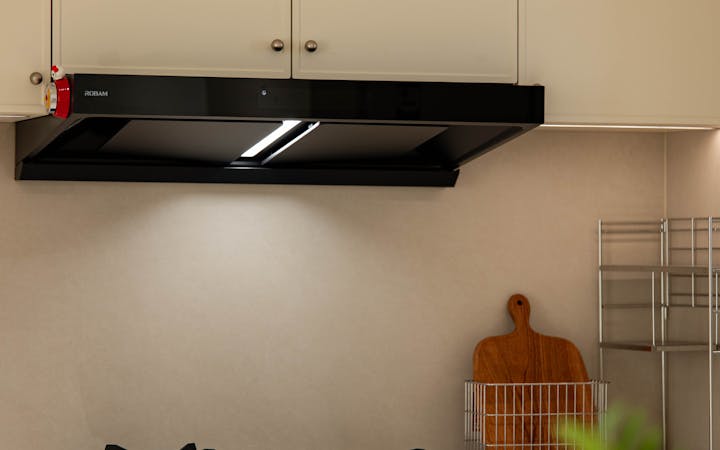
Cooking and Kitchen Strategies for Rhinitis-Friendly Meals
From ventilation and cooking methods to ingredient choices and cleanup, these tips aim to lower common kitchen triggers during meal planning and preparation.

Exercise and Rhinitis: Tips for Comfortable Workouts
Simple, general approaches to make exercise more comfortable with rhinitis — from choosing where to work out to gentle warm-ups and post-exercise care.

Evening Routines to Ease Rhinitis Symptoms at Night
Simple evening habits and gentle nasal-care steps to consider for managing rhinitis symptoms that show up at night.
Archive
Back to the article hub
Browse more RhinitisRank articles and long-tail education pages.
OpenPractical tools
Move into practical resources
Open tools like the trigger diary, checklists, and visit-prep resources.
OpenQuick assessment
Take the rhinitis quiz
Turn symptoms into a clearer starting point before your next appointment.
Open