
Using Digital Tools to Track Rhinitis Patterns
Smartphones, wearables, and home sensors can help you notice symptom patterns over time. This article outlines common digital tools, what they record, and practical ways to use them carefully.
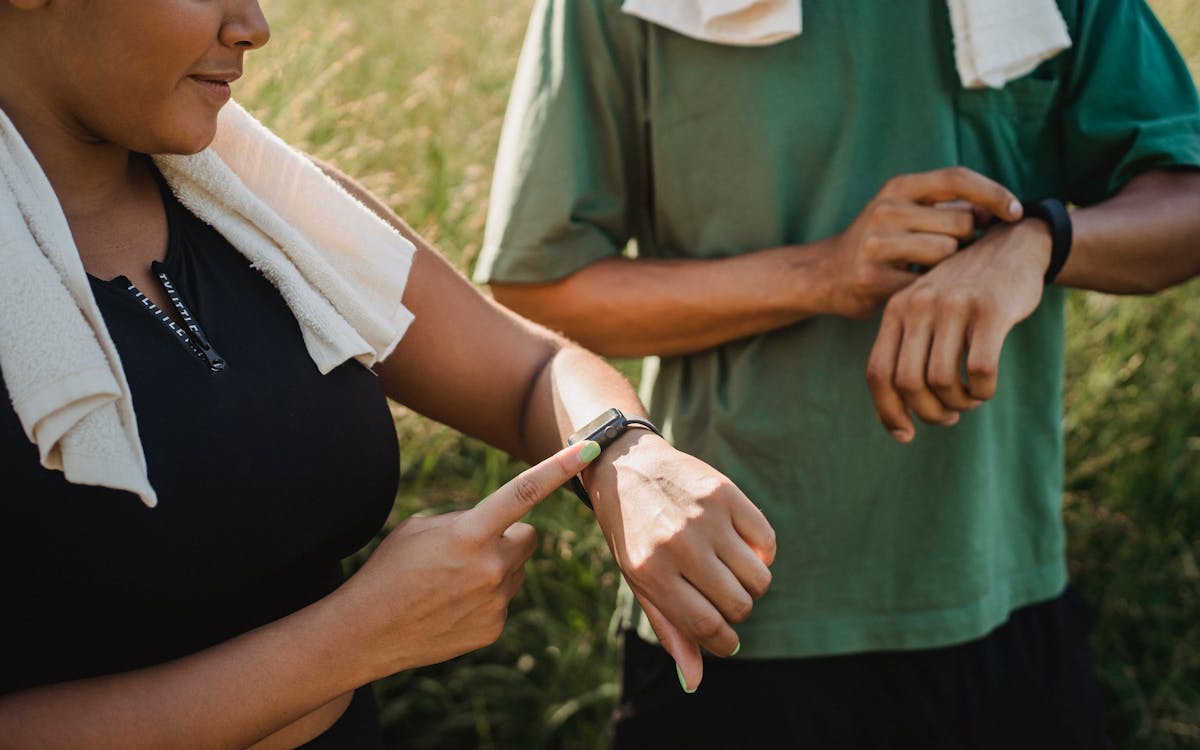
Photo by Ketut Subiyanto on Pexels
A range of consumer tools now let people record rhinitis-related information—symptom diaries on mobile apps, wearable devices that log sleep and activity, and indoor or outdoor air-quality sensors. These tools focus on patterns (when symptoms occur, how long they last) rather than providing diagnoses. Understanding what each device measures helps set realistic expectations about what the data can (and cannot) tell you.
Symptom-tracking apps commonly ask for daily entries about nasal congestion, sneezing, and treatments used; some let you tag locations or likely exposures. Wearables can supply complementary context such as sleep quality, physical activity, and heart-rate changes that might coincide with symptom flares. Environmental devices report temperature, humidity, particulate levels, or pollen counts; combining these streams can make it easier to spot recurring situations linked with symptoms.
When looking for patterns, focus on consistency: similar times of day, specific places, or repeated activities that show up across multiple entries. Be cautious about assuming cause from a single coincidence—correlation does not equal cause, and many factors can overlap. Over time, small trends in the data are more informative than isolated events.
Keep tracking simple and sustainable by choosing one or two tools that fit your routine and limiting entries to the most relevant fields. Using scheduled reminders, short check-ins, and straightforward tags (for location or suspected triggers) can increase the chance of usable data. If you use several devices, look for apps or export options that let you combine or visualize entries without extra manual work.
Remember that consumer devices vary in accuracy and that privacy settings differ between apps and devices; review permissions and backup options before logging sensitive information. If tracked patterns raise questions or you want help interpreting summaries, consider sharing exports or screenshots with a clinician or specialist during a consultation. Digital tracking can support awareness and discussion, but it is one part of understanding rhinitis rather than a substitute for professional evaluation.
Daily articles
Subscribe for daily reads and jump into the latest article now.
Receive RhinitisRank articles by text message and email each day, then head straight to the article library whenever you want a deeper read.

Fresh reading
Educational reads for flare-ups, patterns, and next steps.
Related reading
More articles in this topic cluster
Continue with nearby rhinitis questions, symptom patterns, and follow-up reading.

Track Your Rhinitis: Simple Logs, Apps, and Patterns
Keeping a short symptom log or using an app can reveal repeating rhinitis patterns. This article outlines what to note and how to use the information.

How Stress and Emotions Can Shape Rhinitis Experiences
Many people notice rhinitis symptoms change during times of stress or strong emotion. This piece outlines common patterns people report and gentle, non-medical ways to observe and respond to those links.

How Hydration Habits Affect Rhinitis Symptom Patterns
Fluids and beverages can influence how rhinitis feels day to day. This article explores common links between drinking habits and nasal symptoms, and practical ways people notice patterns.
Archive
Back to the article hub
Browse more RhinitisRank articles and long-tail education pages.
OpenPractical tools
Move into practical resources
Open tools like the trigger diary, checklists, and visit-prep resources.
OpenQuick assessment
Take the rhinitis quiz
Turn symptoms into a clearer starting point before your next appointment.
Open