
Wearing Masks With Rhinitis: Comfort, Breathing, and Care
Many people with rhinitis notice changes in symptoms when they wear face masks. This article explores common effects, comfort strategies, and practical tips for managing mask-related issues without giving medical advice.
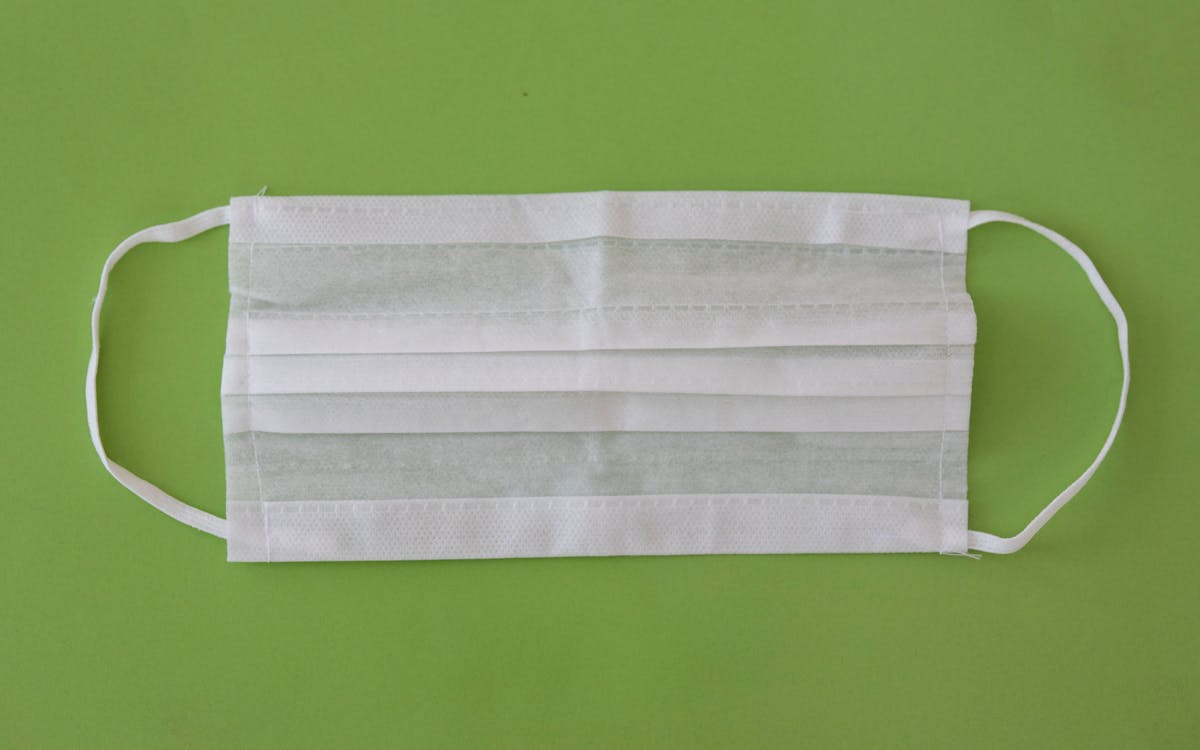
Photo by Engin Akyurt on Pexels
Wearing a face covering can change how air moves around your nose and mouth, and people with rhinitis often notice differences in breathing, moisture, or sensations inside the nose. These effects are individual: some people feel more nasal congestion, while others find mask humidity reduces dryness. Observing how different masks affect you can help with everyday choices.
Mask material, construction, and fit influence airflow and humidity inside the mask. Lightweight, breathable fabrics may feel less restrictive, while tighter seals can redirect exhaled air back toward the face. If comfort is a concern, trying different styles and materials in safe settings can give a sense of what works best for you.
Contact between mask fabric and the skin can lead to irritation, pressure marks, or rubbing that some people with rhinitis describe as triggering sneezing or itch. Gentle skin care, avoiding strongly fragranced products under the mask, and choosing softer fabrics may reduce irritation for some individuals. When possible and safe, taking short breaks from mask wear can also relieve pressure and allow the skin to recover.
Masks can trap moisture, which may cause a feeling of increased nasal drip for some people and can also fog glasses. Small adjustments—like improving the fit at the nose bridge, keeping a clean spare mask, or gently blotting moisture with tissues—are practical steps people use to manage these effects. Combining approaches may be necessary depending on the situation.
If mask-related symptoms interfere with daily life, keeping a simple log of when and with which masks symptoms occur can help identify patterns. Sharing observations with an occupational health advisor or clinician can help you explore options appropriate for your activities and environment. This piece is educational and not a substitute for personalized medical advice; consult a healthcare professional for ongoing concerns.
Daily articles
Subscribe for daily reads and jump into the latest article now.
Receive RhinitisRank articles by text message and email each day, then head straight to the article library whenever you want a deeper read.

Fresh reading
Educational reads for flare-ups, patterns, and next steps.
Related reading
More articles in this topic cluster
Continue with nearby rhinitis questions, symptom patterns, and follow-up reading.

Exercise and Rhinitis: Strategies for Symptom-Friendly Workouts
Physical activity often interacts with nasal symptoms in different ways. This article outlines common factors that can influence rhinitis during exercise and practical, non-prescriptive approaches people use to make movement more comfortable.

Rhinitis and the Voice: Tips for Vocal Professionals
How nasal symptoms can affect singers, teachers, presenters, and others who rely on their voice — and practical ways to support vocal comfort and performance. This article offers general, non-prescriptive information for planning and daily routines.

Exercise and Rhinitis: Tips for Comfortable Workouts
Simple, general approaches to make exercise more comfortable with rhinitis — from choosing where to work out to gentle warm-ups and post-exercise care.
Archive
Back to the article hub
Browse more RhinitisRank articles and long-tail education pages.
OpenPractical tools
Move into practical resources
Open tools like the trigger diary, checklists, and visit-prep resources.
OpenQuick assessment
Take the rhinitis quiz
Turn symptoms into a clearer starting point before your next appointment.
Open