

Commuting by Public Transit with Rhinitis: Practical Tips
Simple, adaptable strategies to reduce rhinitis triggers while using buses, trains, and subways. Practical ideas many people use without medical instruction.
In brief
Plan timing, seating, ventilation awareness, and a small carry kit to help manage rhinitis exposures during commutes on public transit.
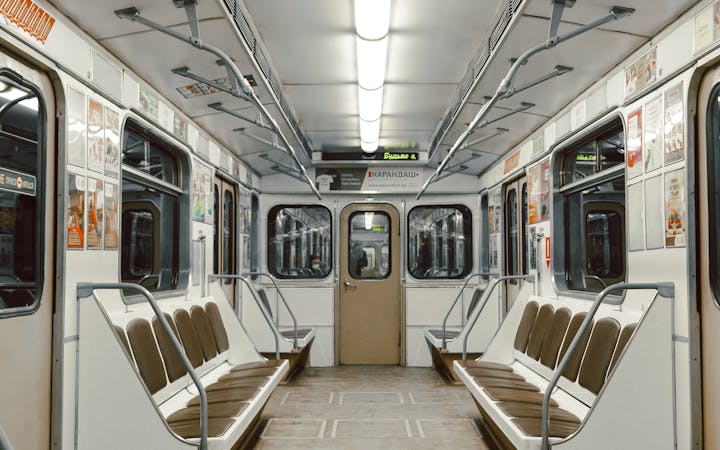
Photo by cottonbro studio on Pexels
Riding buses, trains, or subways can bring brief but repeated exposure to smells, dust, crowds, and sudden temperature changes that affect people with rhinitis. Knowing a few adaptable strategies can make commutes more predictable and reduce sudden symptom flares. These ideas are descriptive rather than prescriptive—different approaches work for different people.
Timing and route choices matter more than many people expect. If possible, try off-peak travel, choose routes with fewer transfers, or pick vehicles and platforms that are generally less crowded. Many transit apps and local agency updates now include crowding and service information that can help with planning.
Seating and ventilation can influence exposure to airborne irritants. Some commuters find sitting near doors or at the ends of cars feels fresher, while others prefer middle cars with steadier airflow; ventilation systems and open windows vary by vehicle and route. Pay attention to where strong fragrances or food odors tend to concentrate and adjust seating or standing spots accordingly.
A compact transit kit can make short-term symptoms easier to tolerate on the go. Common items people carry include tissues, a small bottle of water, hand sanitizer, a lightweight mask, and a spare scarf or layer to cover the nose and face if that helps. Packaging these items together makes a quick transition between home and work smoother without adding much bulk.
Behaviors before and after a commute can reduce lingering exposure. Simple steps like changing an outer layer, putting potentially scented items (like a scarf) in a bag, or washing hands after travel may limit contact with triggers. If a particular route or time consistently causes issues, trying small changes—one at a time—helps identify what actually makes a difference.
Keeping a short log of routes, timing, and symptom patterns can clarify which commuting choices help most. Small experiments (for example, altering departure time or switching seating) are useful ways to learn what reduces exposure for you personally. If symptoms are persistent or significantly affect daily life, consider discussing them with a healthcare professional for individualized guidance.
Daily articles
Subscribe for daily reads and jump into the latest article now.
Receive RhinitisRank articles by text message and email each day, then head straight to the article library whenever you want a deeper read.

Fresh reading
Educational reads for flare-ups, patterns, and next steps.
Related reading
More articles in this topic cluster
Continue with nearby rhinitis questions, symptom patterns, and follow-up reading.

Managing Rhinitis During Bus, Train, and Subway Rides
Commuting can expose people with rhinitis to crowds, odors, and shifting air conditions. This article outlines practical, general strategies to help reduce discomfort during public transit trips.
Commuting with Rhinitis: Practical Tips for Transit
Small planning steps and awareness of common triggers can help reduce bothersome exposures during commutes. Explore gentle strategies and on-the-go comfort options.

Managing Rhinitis on Planes: Practical Air Travel Tips
A concise guide to preparing, packing, and making in-flight choices that may help reduce rhinitis triggers and make air travel more comfortable.
Archive
Back to the article hub
Browse more RhinitisRank articles and long-tail education pages.
OpenPractical tools
Move into practical resources
Open tools like the trigger diary, checklists, and visit-prep resources.
OpenQuick assessment
Take the rhinitis quiz
Turn symptoms into a clearer starting point before your next appointment.
Open