

Managing Rhinitis During Bus, Train, and Subway Rides
Commuting can expose people with rhinitis to crowds, odors, and shifting air conditions. This article outlines practical, general strategies to help reduce discomfort during public transit trips.
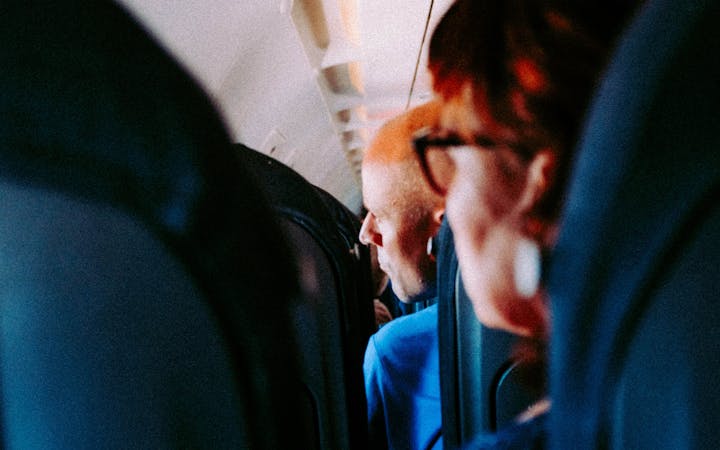
Photo by Ernest Ghazaryan on Pexels
Public transit often concentrates a range of common rhinitis triggers: crowded cars, strong fragrances, dust stirred by foot traffic, and abrupt temperature or humidity changes. Being aware of these typical exposures can help you anticipate situations that might feel uncomfortable and plan accordingly.
When possible, consider timing and route options that reduce time in the busiest cars and stations. Traveling slightly before or after peak hours, choosing a less-crowded carriage, or allowing extra transfer time can lower the chances of prolonged exposure to crowded conditions.
Having a small commute kit can make rides more manageable. Items people commonly find useful include tissues or handkerchiefs, a small bottle of water, and a compact nasal spray or saline rinse for quick relief. Wearing a face covering in crowded settings may reduce inhalation of airborne irritants for some individuals.
On board, simple seat and posture choices may help—sitting toward the center of a carriage or near an exit can make it easier to move away from strong odors or congested areas. Avoiding aisles where food is consumed or near visible spills can also limit contact with scent and dust sources.
After the trip, a brief routine can remove trapped particles and reset comfort levels. Wiping hands and face, changing an outer layer if it smells strongly of perfume or smoke, and noting which parts of the journey felt worst can help you adjust future plans. Over time, these small habits can make commuting with rhinitis more predictable and manageable.
Daily articles
Subscribe for daily reads and jump into the latest article now.
Receive RhinitisRank articles by text message and email each day, then head straight to the article library whenever you want a deeper read.

Fresh reading
Educational reads for flare-ups, patterns, and next steps.
Related reading
More articles in this topic cluster
Continue with nearby rhinitis questions, symptom patterns, and follow-up reading.
Managing Rhinitis on Planes: Practical Air Travel Tips
A concise guide to preparing, packing, and making in-flight choices that may help reduce rhinitis triggers and make air travel more comfortable.

Commuting with Rhinitis: Practical Tips for Transit
Small planning steps and awareness of common triggers can help reduce bothersome exposures during commutes. Explore gentle strategies and on-the-go comfort options.

Managing Rhinitis During Long Drives and Commutes
Long car rides and daily commutes can present specific rhinitis challenges. This article outlines practical, general strategies to reduce discomfort and make driving time more manageable.
Archive
Back to the article hub
Browse more RhinitisRank articles and long-tail education pages.
OpenPractical tools
Move into practical resources
Open tools like the trigger diary, checklists, and visit-prep resources.
OpenQuick assessment
Take the rhinitis quiz
Turn symptoms into a clearer starting point before your next appointment.
Open