
Going to the Dentist with Rhinitis: Practical Preparation Tips
Dental visits can bring together several factors that affect nasal comfort. This article outlines ways to plan and communicate to help reduce potential triggers during oral care appointments.
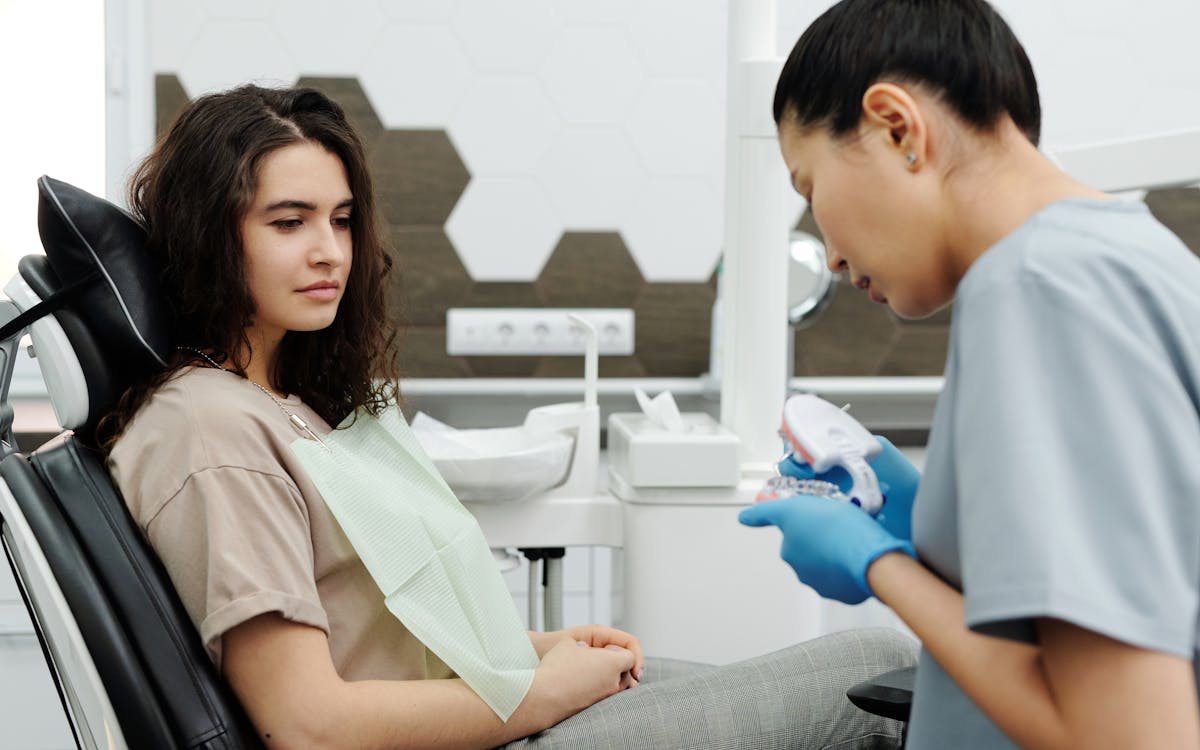
Photo by Cedric Fauntleroy on Pexels
Many people with rhinitis notice that visits to dental clinics can change how their nose feels. Lying back, mouth breathing, exposure to dental materials or strong-tasting rinses, and aerosolized sprays are a few common elements that may influence nasal comfort during care.
Before an appointment, consider letting the dental team know you have rhinitis and what usually bothers you. Bringing a small supply of tissues, a water bottle, or a note about known triggers can help the staff anticipate your needs; you may also want to schedule at a time of day when your symptoms are typically milder.
During the appointment, clear communication can make a difference: ask whether short breaks are possible, whether non-essential scented products can be avoided, and how long certain steps will take. If positioning or breathing becomes uncomfortable, requesting a brief pause or a slightly different head angle might help, and many dental teams are accustomed to adapting for patient comfort.
Aftercare practices vary from person to person; some find gentle saline rinses, sipping water, or a few minutes of upright rest helpful for restoring nasal comfort. If symptoms persist or are notably worse after dental care, making a note of what coincided with the visit can be useful to discuss with your healthcare provider or dentist.
Planning ahead, clear communication with the dental team, and noting which parts of the visit affect you most are practical steps that can reduce surprises. If you have ongoing concerns about how dental care and rhinitis interact, consider discussing strategies with both your dental provider and the clinician who helps you manage nasal symptoms.
Daily articles
Subscribe for daily reads and jump into the latest article now.
Receive RhinitisRank articles by text message and email each day, then head straight to the article library whenever you want a deeper read.

Fresh reading
Educational reads for flare-ups, patterns, and next steps.
Related reading
More articles in this topic cluster
Continue with nearby rhinitis questions, symptom patterns, and follow-up reading.

Preparing for a Healthcare Visit About Your Rhinitis
Plan what to bring and how to describe symptom patterns before a rhinitis appointment. Small steps can help conversations with providers be clearer and more productive.
Preparing for a Rhinitis Clinic Visit: A Practical Checklist
Organizing symptoms, medicines, and questions ahead of a rhinitis visit can help you and your clinician use appointment time efficiently. This checklist outlines helpful items to bring and discuss.

Keeping a Rhinitis Symptom Diary: What to Record
Learn easy ways to track rhinitis symptoms, likely triggers, and responses to measures. Useful for noticing patterns and preparing for a health visit.
Archive
Back to the article hub
Browse more RhinitisRank articles and long-tail education pages.
OpenPractical tools
Move into practical resources
Open tools like the trigger diary, checklists, and visit-prep resources.
OpenQuick assessment
Take the rhinitis quiz
Turn symptoms into a clearer starting point before your next appointment.
Open