
Preparing for a Healthcare Visit About Your Rhinitis
A practical checklist to help you make the most of a clinic visit for rhinitis. Simple preparations can help you explain symptoms, share relevant details, and use appointment time efficiently.
In brief
Plan what to bring and how to describe symptom patterns before a rhinitis appointment. Small steps can help conversations with providers be clearer and more productive.
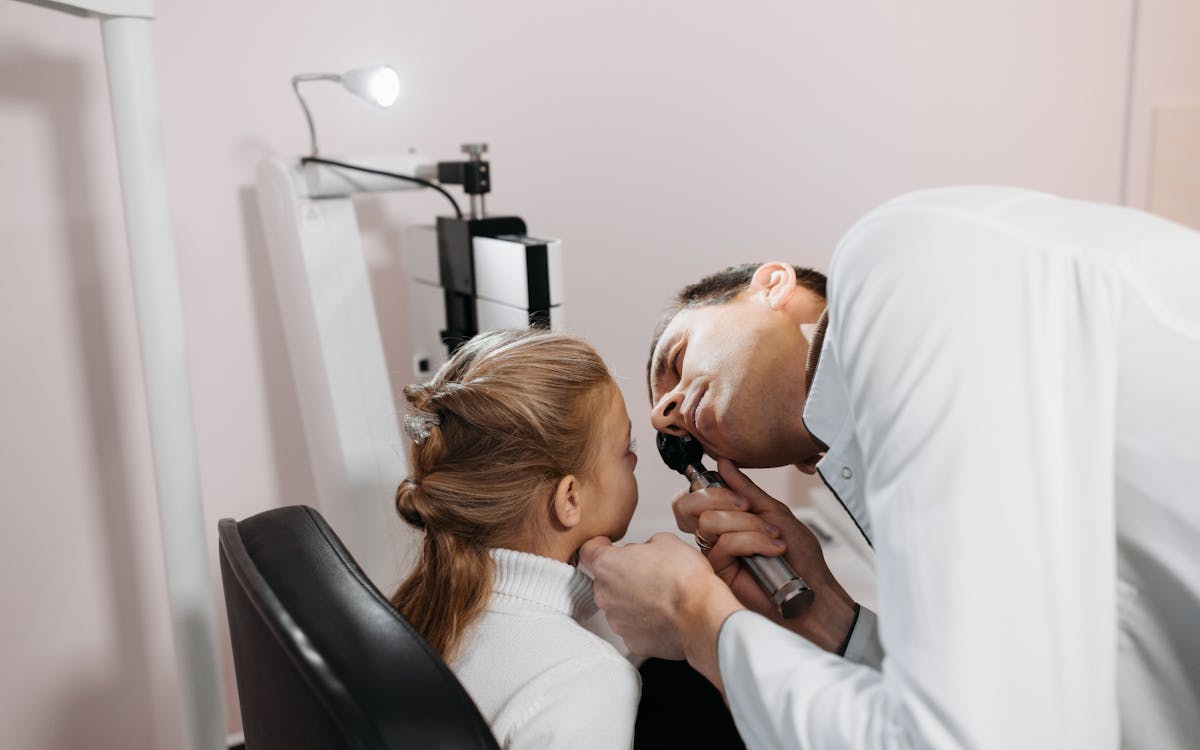
Photo by Pavel Danilyuk on Pexels
Heading to a clinic to discuss rhinitis can feel more productive if you arrive prepared. A focused visit helps you and the provider use time efficiently to review symptoms, triggers, and daily effects without trying to cover everything at once.
Consider assembling a short packet with practical details: a list of current medications and supplements, known allergies, recent changes in symptoms or exposures, and any prior treatments or self-care measures you’ve tried. Bringing a simple timeline or recent examples of flare-ups—dates, locations, and activities—can make patterns easier to explain.
Think ahead about the questions and goals you have for the visit. You might want clarity about possible causes, a plan for follow-up, or help prioritizing next steps. Writing two to four specific questions before the appointment can keep the conversation focused and ensure you get the information most useful to you.
When describing symptoms, use concrete language about timing, severity, and how symptoms affect daily life—work, sleep, or activities. Notes on what seems to trigger improvements or worsening, and whether symptoms are constant or intermittent, can help paint a clear picture without needing a long explanation.
Practical logistics matter too: plan to arrive a bit early, bring any relevant paperwork or test results, and consider taking notes or asking if you can record key points (with permission). If remembering details in the moment is hard, bringing a family member or friend to listen can be helpful.
After the visit, review any recommendations and note follow-up steps, timing, or referrals. Clear communication before and during the appointment tends to make follow-up planning easier and helps you track what changes, without the expectation that one visit will address every concern.
Daily articles
Subscribe for daily reads and jump into the latest article now.
Receive RhinitisRank articles by text message and email each day, then head straight to the article library whenever you want a deeper read.

Fresh reading
Educational reads for flare-ups, patterns, and next steps.
Related reading
More articles in this topic cluster
Continue with nearby rhinitis questions, symptom patterns, and follow-up reading.
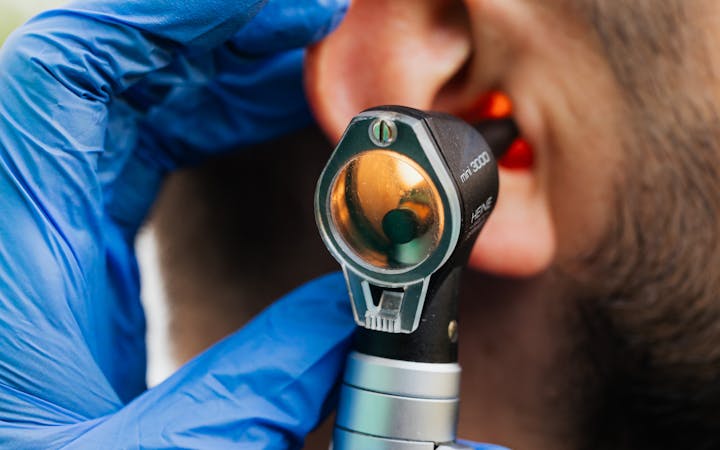
Preparing for a Rhinitis Clinic Visit: A Practical Checklist
Organizing symptoms, medicines, and questions ahead of a rhinitis visit can help you and your clinician use appointment time efficiently. This checklist outlines helpful items to bring and discuss.

Keeping a Rhinitis Symptom Diary: What to Record
Learn easy ways to track rhinitis symptoms, likely triggers, and responses to measures. Useful for noticing patterns and preparing for a health visit.
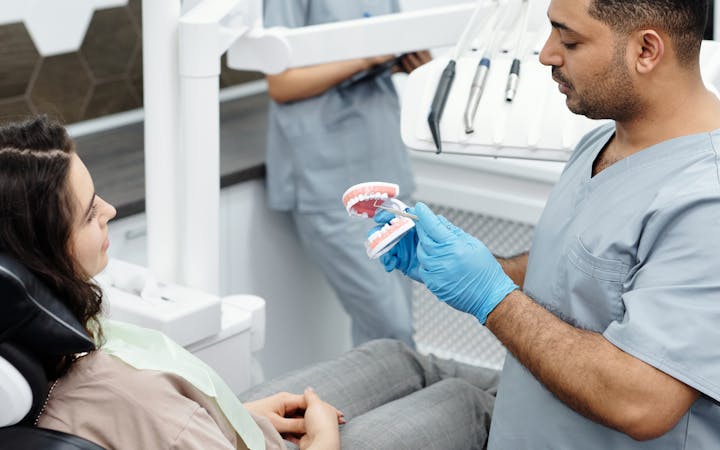
Going to the Dentist with Rhinitis: Practical Preparation Tips
Dental visits can bring together several factors that affect nasal comfort. This article outlines ways to plan and communicate to help reduce potential triggers during oral care appointments.
Archive
Back to the article hub
Browse more RhinitisRank articles and long-tail education pages.
OpenPractical tools
Move into practical resources
Open tools like the trigger diary, checklists, and visit-prep resources.
OpenQuick assessment
Take the rhinitis quiz
Turn symptoms into a clearer starting point before your next appointment.
Open