

Managing Rhinitis During Long Drives and Commutes
Long car rides and daily commutes can present specific rhinitis challenges. This article outlines practical, general strategies to reduce discomfort and make driving time more manageable.
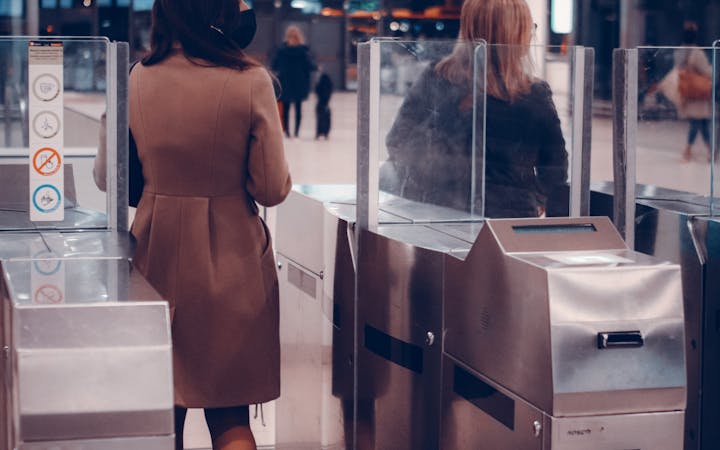
Photo by Evgeni Adutskevich on Pexels
Preparing before you get behind the wheel can influence how your nose feels during a trip. Packing a small kit with tissues, a sealed bottle of saline rinse or spray, and any regularly used nonprescription symptom aids can make short breaks easier to handle. Staying hydrated and timing any personal symptom measures before driving may also be worth planning.
Vehicle environment matters for many people with nasal sensitivity. Using the vehicle's air recirculation setting occasionally, keeping vents clean, and replacing cabin filters regularly are general steps drivers often consider. Minimizing strong in-car scents like air fresheners, perfumes, or heavy car-cleaning products can reduce potential irritants for some riders.
On longer drives, scheduled stops give time for gentle nasal care and fresh air outside the vehicle. Stretching and brief walks may help clear the head and reduce congestion for some individuals. If sharing the car, communicating simple preferences—open windows, low fragrance—can prevent avoidable triggers.
If you are a passenger or professional driver, thinking through the route and traffic patterns may lower stress-related symptom flare-ups. Choosing less congested times or routes with fewer idling vehicles may help reduce exposure to exhaust and other outdoor irritants. Keeping a small trash bag and spare tissues handy can limit buildup of used tissues and crumbs that may trigger sensitivity.
If symptoms interfere with safe driving—such as causing drowsiness, severe discomfort, or distraction—consider pausing the trip and seeking a safe place to rest or seek assistance. For persistent or worsening symptoms, talking with a healthcare professional can provide individualized guidance. These general strategies are intended to inform choices rather than replace personalized medical advice.
Daily articles
Subscribe for daily reads and jump into the latest article now.
Receive RhinitisRank articles by text message and email each day, then head straight to the article library whenever you want a deeper read.

Fresh reading
Educational reads for flare-ups, patterns, and next steps.
Related reading
More articles in this topic cluster
Continue with nearby rhinitis questions, symptom patterns, and follow-up reading.

Managing Rhinitis on Planes: Practical Air Travel Tips
A concise guide to preparing, packing, and making in-flight choices that may help reduce rhinitis triggers and make air travel more comfortable.

Managing Rhinitis During Bus, Train, and Subway Rides
Commuting can expose people with rhinitis to crowds, odors, and shifting air conditions. This article outlines practical, general strategies to help reduce discomfort during public transit trips.
Traveling with Rhinitis: Practical Tips for Comfortable Trips
Travel can introduce new smells, dry air, and timing challenges that affect rhinitis symptoms. This article outlines general, non-prescriptive strategies to help you plan and adapt while away from home.
Archive
Back to the article hub
Browse more RhinitisRank articles and long-tail education pages.
OpenPractical tools
Move into practical resources
Open tools like the trigger diary, checklists, and visit-prep resources.
OpenQuick assessment
Take the rhinitis quiz
Turn symptoms into a clearer starting point before your next appointment.
Open