
Traveling Smart With Rhinitis: Air Travel and Packing
Travel can introduce extra irritants and comfort challenges for people with rhinitis. This article offers practical, non-prescriptive ideas for planning, packing, and managing common airport and in-flight situations.
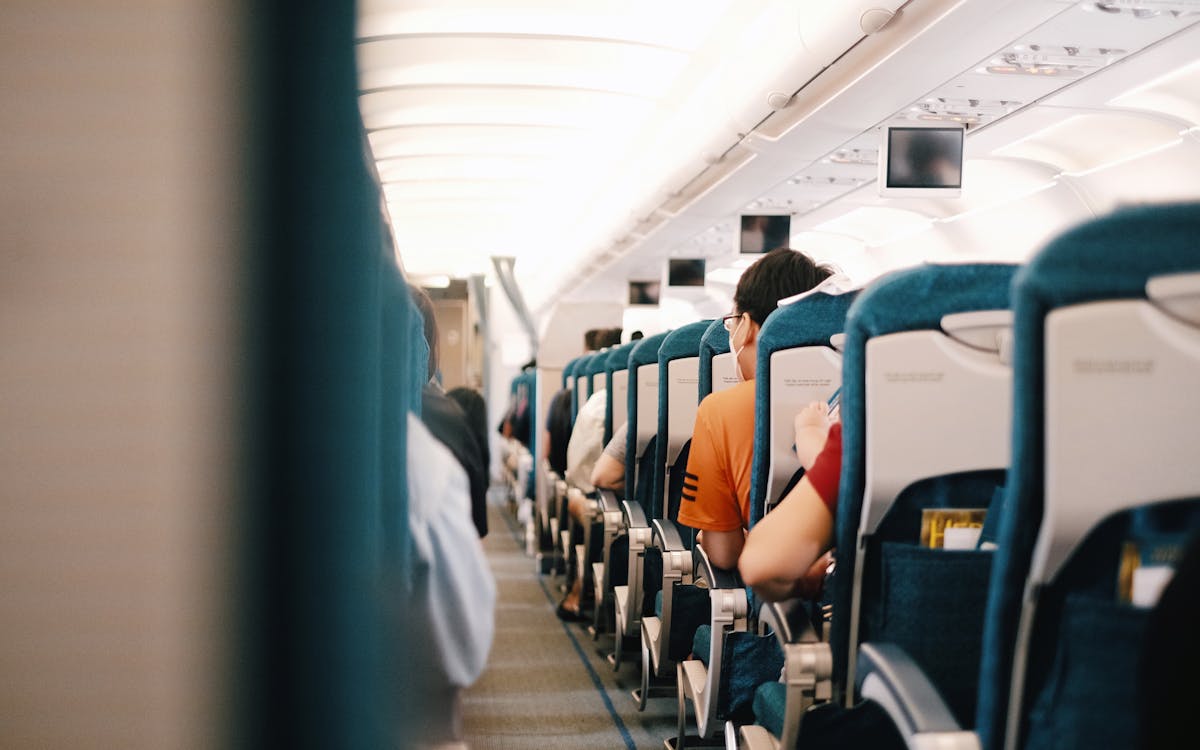
Photo by Pew Nguyen on Pexels
Airports, crowded terminals, and airplane cabins can expose people with rhinitis to dry air, scents, and sudden changes in dust or pollen exposure. Knowing common stress points of travel and building simple routines may help reduce surprise discomfort while away from home.
Packing thoughtfully can make a big difference. Consider including travel-sized saline rinse or spray, extra tissues, unscented personal-care items, and a small “comfort” travel kit with items that have helped you in the past. Keeping these items in an easily reachable bag can reduce anxiety during long waits or flights.
On the plane, cabin air is often drier and recycled, which some people find irritating. Staying hydrated, taking short movement breaks when it’s safe to do so, and choosing a seat that feels more comfortable for you are common non-prescriptive strategies people use to manage comfort. If strong scents bother you, simple face-covering options or choosing a seat away from heavily trafficked areas may help.
Navigating airports brings its own considerations: food courts, cleaning products, and crowded security lines can introduce triggers. It can be helpful to allow extra time, use quieter lounges when available, and check airline and security rules ahead of time for carrying liquids or medical supplies. Planning layovers or arrival times to avoid the busiest periods may reduce exposure to crowded areas.
After travel, simple rinse-and-rest routines can restore comfort for some people — washing your face, changing into clean clothes, and using a saline rinse if that is part of your usual approach. If travel-related symptoms are unusually severe or long-lasting, discussing them with a healthcare professional can provide personalized guidance. Small, prepared habits tend to make travel feel more manageable and predictable for people living with rhinitis.
Daily articles
Subscribe for daily reads and jump into the latest article now.
Receive RhinitisRank articles by text message and email each day, then head straight to the article library whenever you want a deeper read.

Fresh reading
Educational reads for flare-ups, patterns, and next steps.
Related reading
More articles in this topic cluster
Continue with nearby rhinitis questions, symptom patterns, and follow-up reading.
Managing Rhinitis on Planes: Practical Air Travel Tips
A concise guide to preparing, packing, and making in-flight choices that may help reduce rhinitis triggers and make air travel more comfortable.

Air Travel Tips for People with Rhinitis
Simple planning and a compact travel kit can reduce discomfort on flights. This guide covers pre-flight checks, in-cabin strategies, and arrival tips.

Traveling with Rhinitis: Practical Tips for Flights
Air travel presents unique challenges for nasal comfort. This article outlines general, non-prescriptive strategies people with rhinitis often consider when planning and taking flights.
Archive
Back to the article hub
Browse more RhinitisRank articles and long-tail education pages.
OpenPractical tools
Move into practical resources
Open tools like the trigger diary, checklists, and visit-prep resources.
OpenQuick assessment
Take the rhinitis quiz
Turn symptoms into a clearer starting point before your next appointment.
Open