

Traveling with Rhinitis: Practical Tips for Comfortable Trips
Travel can introduce new smells, dry air, and timing challenges that affect rhinitis symptoms. This article outlines general, non-prescriptive strategies to help you plan and adapt while away from home.
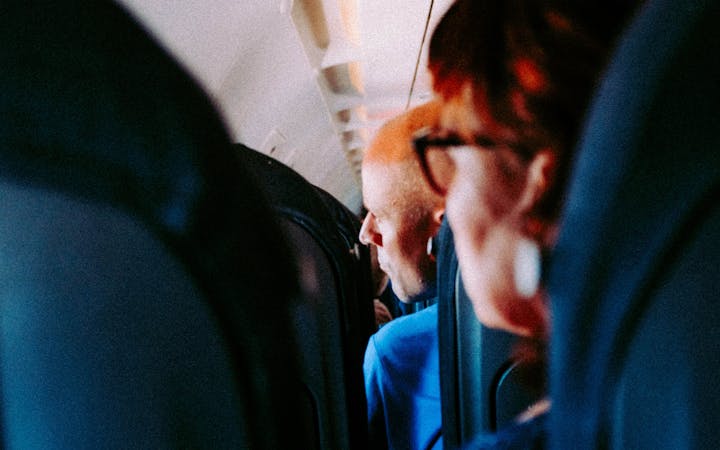
Photo by Matthew Turner on Pexels
Packing thoughtfully can reduce surprises. Many people find it helpful to bring familiar nasal care items — for example, travel-sized saline rinse or nasal spray, tissues, and a small face mask — along with any routine toiletries they usually use. Keeping these items accessible in a carry-on can make adjustments easier during long trips.
Airports and public transport expose you to changing environments and crowds. If crowds, strong scents, or dry air affect your comfort, consider timing and buffer strategies such as allowing extra time between connections, choosing less crowded gates, or keeping a scarf or mask handy to create a modest barrier from strong odors in busy areas.
Onboard the airplane, cabin air tends to be drier and pressure changes may affect nasal sensations. Staying hydrated and moving periodically in the aisle are general measures some travelers use to feel more comfortable. Choosing a seat that suits your needs — aisle access for movement or window for a personal barrier — can also be helpful depending on your preferences.
When you arrive, local environments and indoor air quality may differ from what you’re used to. Unpacking a few familiar personal items, rinsing or washing bedding when possible, and airing out luggage can help reduce contact with unfamiliar scents or residues. Adapting your plans to include short rest periods or quieter activities can make transitions smoother.
If symptoms change or you’re unsure about best steps during travel, seeking guidance from a local clinic or an ENT specialist is an option some people explore. Keeping notes about what seemed to trigger or ease discomfort during the trip can help inform future planning. Overall, flexibility and small, familiar comforts often make travel with rhinitis more manageable.
Daily articles
Subscribe for daily reads and jump into the latest article now.
Receive RhinitisRank articles by text message and email each day, then head straight to the article library whenever you want a deeper read.

Fresh reading
Educational reads for flare-ups, patterns, and next steps.
Related reading
More articles in this topic cluster
Continue with nearby rhinitis questions, symptom patterns, and follow-up reading.
Managing Rhinitis on Planes: Practical Air Travel Tips
A concise guide to preparing, packing, and making in-flight choices that may help reduce rhinitis triggers and make air travel more comfortable.

Air Travel Tips for People with Rhinitis
Simple planning and a compact travel kit can reduce discomfort on flights. This guide covers pre-flight checks, in-cabin strategies, and arrival tips.

Managing Rhinitis During Bus, Train, and Subway Rides
Commuting can expose people with rhinitis to crowds, odors, and shifting air conditions. This article outlines practical, general strategies to help reduce discomfort during public transit trips.
Archive
Back to the article hub
Browse more RhinitisRank articles and long-tail education pages.
OpenPractical tools
Move into practical resources
Open tools like the trigger diary, checklists, and visit-prep resources.
OpenQuick assessment
Take the rhinitis quiz
Turn symptoms into a clearer starting point before your next appointment.
Open