

Travel and Rhinitis: Tips for Nasal Comfort on the Move
Travel — by plane, train, or bus — exposes the nose to dry air, changing humidity, and crowded spaces. This article offers practical, non-prescriptive ideas to help people with rhinitis plan and adapt while traveling.
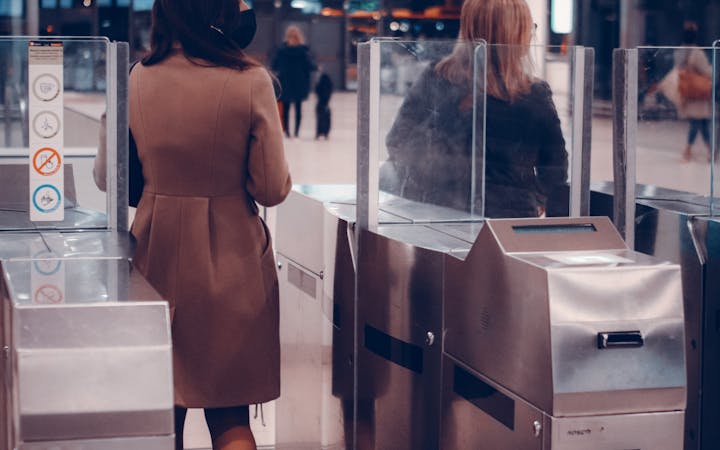
Photo by Rafael Rodrigues on Pexels
Travel environments often introduce a mix of factors that can affect nasal comfort. Dry cabin air, repeated exposure to scented cleaning products in terminals, recycled ventilation, and the close quarters of public transport are common examples that some people notice. Sudden changes in humidity and pressure during flights can also feel different for the nasal passages.
Packing and planning can make travel days smoother for people who experience rhinitis. Many travelers find it useful to bring items such as tissues, a small bottle of saline spray or nasal gel, and a refillable water bottle to stay hydrated. Choosing travel times, seating, and transfer plans that reduce rush and crowding may be helpful for those sensitive to busy terminals and platforms.
During transit, simple routines may provide comfort without requiring medical steps. Regular sips of water, using saline to moisten the nose, and taking short breaks from strong scents or perfumes in busy areas are practical measures some people use. Wearing a mask or face covering might also help reduce exposure to strong odors and airborne particles in crowded vehicles.
Pressure changes on takeoff and landing or during long tunnel passages can be noticeable for the nose and ears. Gentle swallowing, yawning, or chewing are commonly used by travelers to ease pressure changes, and some find that a brief saline spray before descent helps keep nasal passages less irritated. People respond differently, so experimenting with low-risk approaches ahead of longer trips can clarify what feels best.
After a trip, simple recovery steps may support comfort and reduce lingering irritation. Rinsing or cleaning the face and hands, changing into fresh clothes, and using a saline rinse or spray if helpful are common personal-care options. If new or persistent symptoms arise after travel that cause concern, considering contact with a healthcare professional for personalized guidance may be appropriate.
Daily articles
Subscribe for daily reads and jump into the latest article now.
Receive RhinitisRank articles by text message and email each day, then head straight to the article library whenever you want a deeper read.

Fresh reading
Educational reads for flare-ups, patterns, and next steps.
Related reading
More articles in this topic cluster
Continue with nearby rhinitis questions, symptom patterns, and follow-up reading.
Traveling with Rhinitis: Practical Tips for Comfortable Trips
Travel can introduce new smells, dry air, and timing challenges that affect rhinitis symptoms. This article outlines general, non-prescriptive strategies to help you plan and adapt while away from home.
Managing Rhinitis on Planes: Practical Air Travel Tips
A concise guide to preparing, packing, and making in-flight choices that may help reduce rhinitis triggers and make air travel more comfortable.

Air Travel Tips for People with Rhinitis
Simple planning and a compact travel kit can reduce discomfort on flights. This guide covers pre-flight checks, in-cabin strategies, and arrival tips.
Archive
Back to the article hub
Browse more RhinitisRank articles and long-tail education pages.
OpenPractical tools
Move into practical resources
Open tools like the trigger diary, checklists, and visit-prep resources.
OpenQuick assessment
Take the rhinitis quiz
Turn symptoms into a clearer starting point before your next appointment.
Open